Insights | Are Organoids Just 3D Cell Cultures? You Might Be Misunderstanding Them

With the development of life science research to precision and depth, organoids and 3D cell culture, as the core technology of in vitro cell research, are widely used in disease modeling, drug screening, regenerative medicine and other fields.
However, there are still many cognitive misunderstandings in the industry. For example, some people may wonder "Is 3D cell culture done in the laboratory equivalent to organoids?"
some people simply think that "organoids are cells cultured into spherical structures". This will not only affect the accuracy of the research direction, but also reduce the experimental efficiency and data reliability.
As a brand focusing on the research and development of life science tools and services, Aizin Bio has always been committed to providing efficient and stable solutions for scientific researchers.
Today, we will deeply disassemble the essential differences between 3D cell culture and organoids, clarify common cognitive misunderstandings, and recommend suitable professional tools to help the efficient output of scientific research results in combination with the needs of scientific research.
Definition difference between 3D cell culture and organoids
01 What is 3D Culture?
3D cell culture (3D Cell Culture), the essence is to let cells grow in three-dimensional space, rather than the traditional flat Petri dish. It is only a form of culture, and its core feature is "3D structure, but not necessarily tissue-specific function".
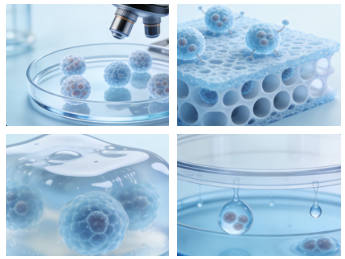
There are several common forms of 3D culture:
- cell ball (Spheroids): cell self-aggregation into a spherical, mostly used for tumor drug screening;
- scaffold culture: cells are attached to 3D scaffolds, mostly used for tissue engineering;
- hydrogel embedding: cells dispersed in the gel, more for cartilage regeneration;
- hanging drop culture: the use of gravity to form cell clusters, mostly used for embryonic development research.
02 What are organoids?
Organoids (Organoid) are a self-organizing 3D cell culture system capable of reproducing key structures and functions of the original organ.
Its core defining elements are: self-organization, multi-cell type, organ-specific structure, physiological function, long-term stable culture.
In short, organoids are "micro-organs" that can simulate the structure and function of real organs, while 3D cell culture only allows cells to grow in three-dimensional space.
Common 3D cell culture vs organoids
difference 1: Cell origin and composition
- ordinary 3D cell culture: usually a single cell line, a single cell type, without organ-specific stem cells;
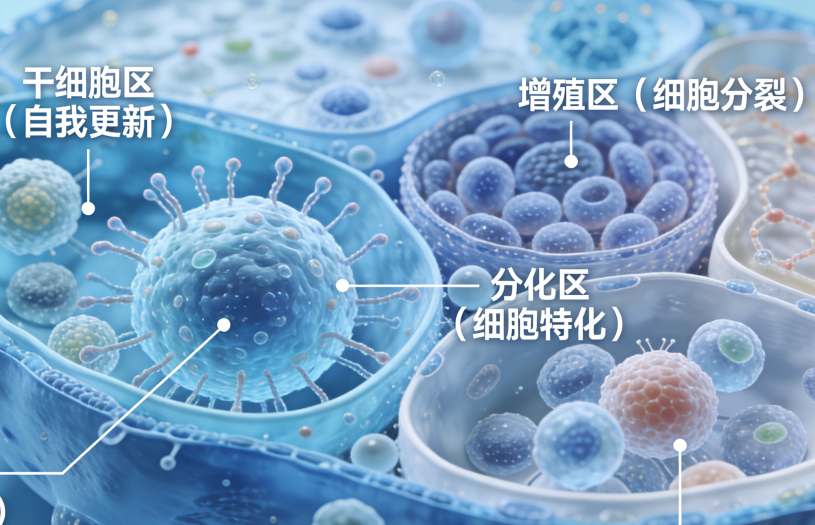
- organoid: Derived from stem cells, it contains a variety of differentiated cell types and reproduces the cellular diversity of the organ.
Difference 2: Structural complexity
- ordinary 3D cell culture: simple structure, random distribution of cells, no clear organizational structure;
- organoids: Have a microscopic structure similar to a real organ, with cells arranged in an orderly manner to form a functional structure.
Difference 3: Self-organizing ability
- ordinary 3D cell culture: cells are passively aggregated, the structure is determined by external conditions, and cannot spontaneously form complex structures;
- organoids: Spontaneously organized into ordered structures that follow developmental laws without the need for external templates.
Difference 4: Functionality
- ordinary 3D cell culture: limited function, supporting only basic morphological studies;
- organoids: with organ-specific functions, can carry out absorption, secretion, metabolism, electrophysiology and other functional experiments.
Difference 5: Application Value
- ordinary 3D cell culture: suitable for preliminary drug screening, low cost, general repeatability;
- organoids: highly mimic the in vivo environment, can be used in precision medicine, developmental mechanism research, clinical translation value is high.
These non-organoid common cognitive misunderstandings to avoid the pit
myth 1: 3D culture of tumor cells = tumor organoids
the 3D culture of tumor cells is mostly cell line into ball, and the cell type is single; the tumor organoids are derived from the tissue of the patient, and the tumor heterogeneity and gene mutation spectrum are retained.
Myth 2: Cell aggregates = organoids
cell aggregates have no ordered structure and no function; organoids have clear organ-like structure and physiological function.
Myth 3: Scaffold culture = organoids
scaffold culture relies on external templates; organoids are formed by cell self-organization, which is closer to the in vivo development process.
Technical boundaries clear tool selection is key
organoids are not "upgraded 3D cultures", but miniature physiological systems that mimic organ development and function.
Its core value is that it not only retains the key characteristics of organs in vivo, but also can be controlled in vitro, opening up new possibilities for disease modeling, drug screening and regenerative medicine.
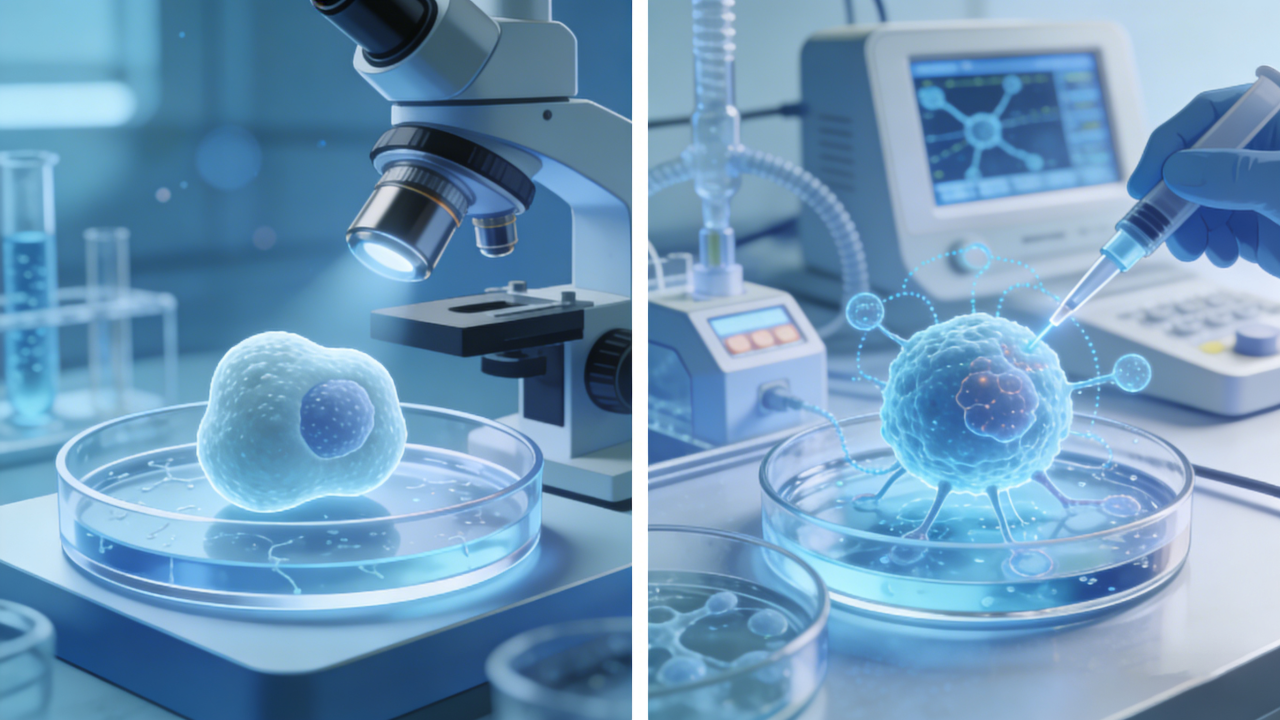
To do a good job in organoid research, stable, uniform, high-throughput 3D cell ball culture is an essential first step. The ordinary culture plate is easy to stick to the wall, the ball is messy, and the yield is low, which will directly affect the subsequent organoid induction efficiency and experimental repeatability.
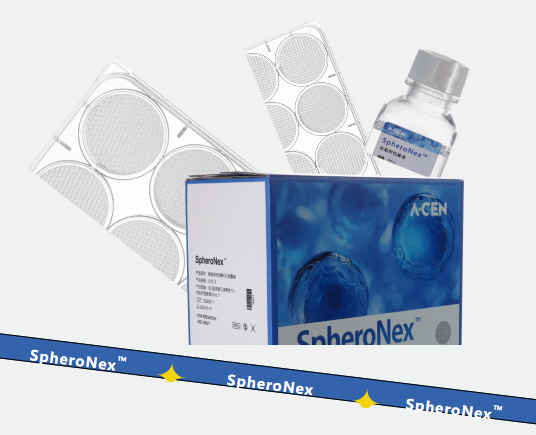
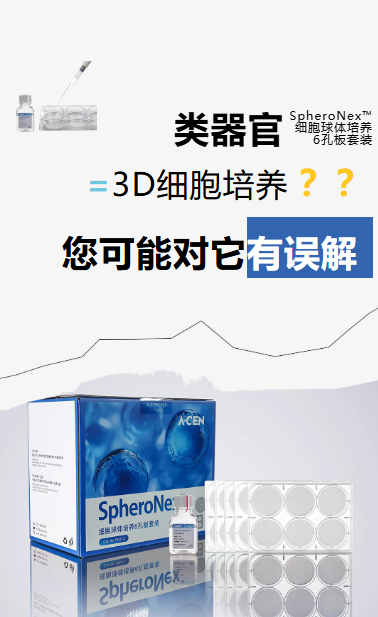
Aizin Biological SpheroNex™Cell sphere culture 6-well plate set: an efficient weapon to unlock organoid research
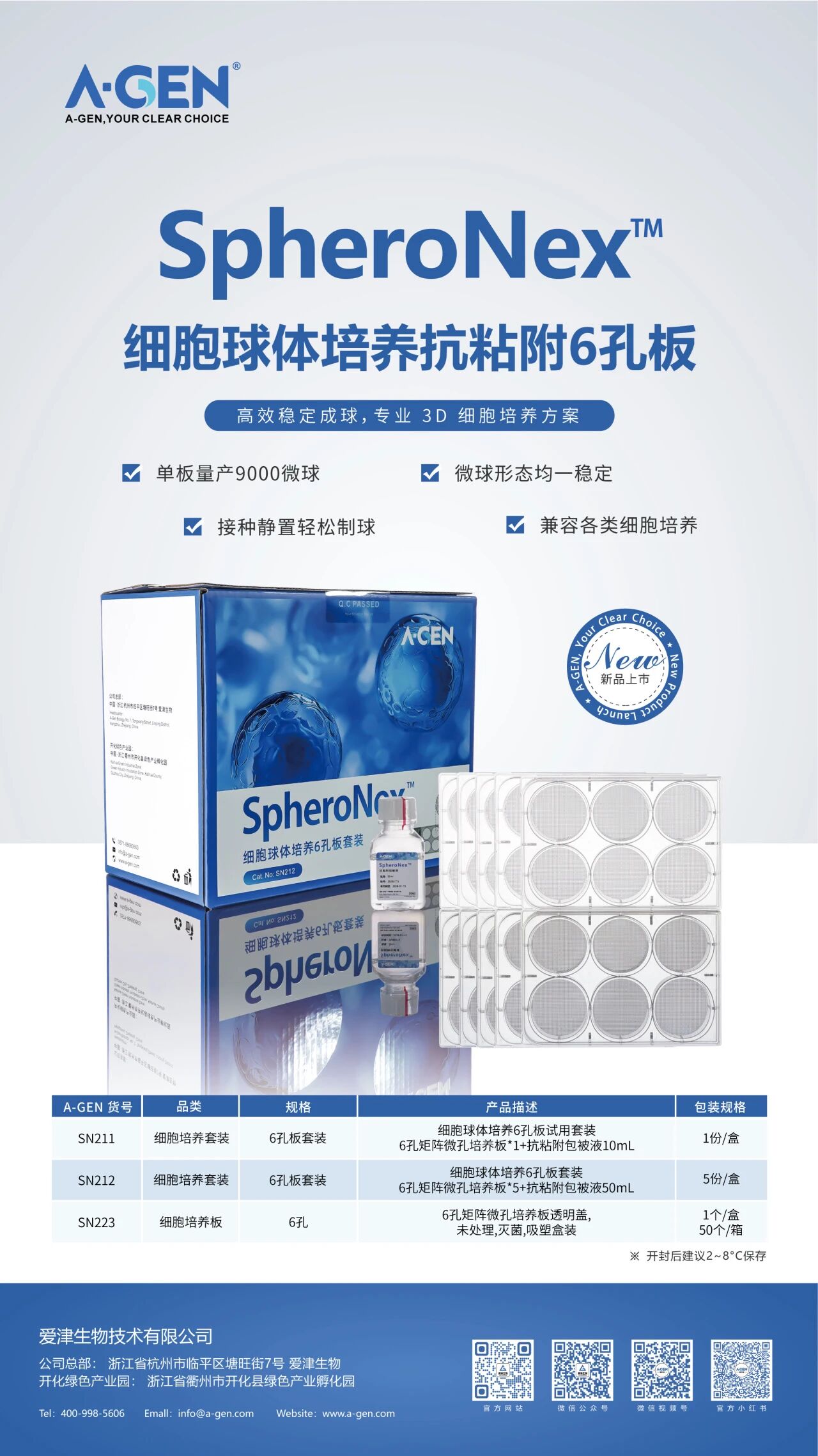
in response to scientific research pain points, Aizin Bio-deep cultivation of life science tools, heavy launch of SpheroNex™Cell sphere culture 6-well plate set,
designed for laboratory high-throughput and high-stability 3D cell ball culture requirements, it is a basic tool for 3D cell ball culture → organoid construction, helping researchers to efficiently carry out organoid-related research:
high throughput output: there are 1500 800μm matrix micropores in a single hole, and up to 9000 uniform cell microspheres can be prepared in one plate, which greatly improves the efficiency of drug screening and culture;
more uniform ball formation: matrix micropore limited space + special anti-adhesion coating, 24h can obtain the size, roundness highly consistent cell ball, to ensure reliable downstream data;
cell adaptation wide: compatible with strong adherent (HeLa), weak adherent (293T), stem cell (MSC), suspension cell (Jurkat) multi-type cell culture;
low threshold for operation: package → add cells → static culture, without centrifugation can be into a ball, reduce pollution and cell damage, novice can also be stable and repeated;
complete supporting: with special anti-adhesion coating liquid, hydrophilic coating does not damage cells, suitable for efficient culture and subsequent differentiation induction.
As a deep cultivator in the field of life science tools, Aizin Bio has always taken "empowering scientific research and innovation" as its core mission, continuously polishing product quality and optimizing service system.
SpheroNex™Cell sphere culture 6-well plate set is not only a practical tool for organoid research, but also a witness to the strength of Aizin Biology's transformation from a "consumables manufacturer" to a "life science tool service provider.
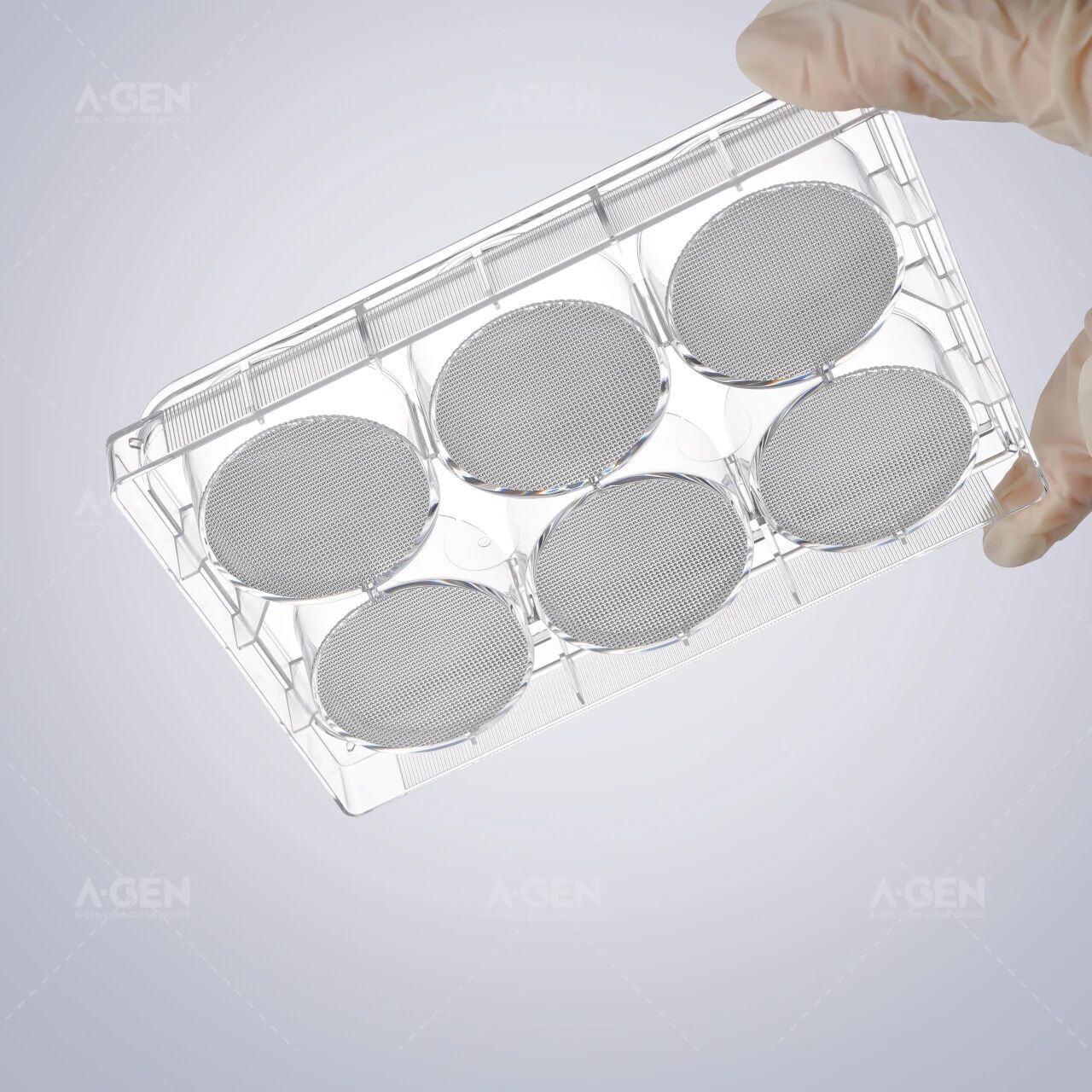
or transition from basic 3D culture to higher-order organoid research, SpheroNex™Can help you to make the starting point of the experiment stable and standard, so that the construction of organoids is more smooth and the data are more reliable.

to scan code free application trial ~