Dry goods sharing | frequent cell pollution? Attention should be paid to the details of these 5 consumables

In cell culture, pollution is a "roadblock" for researchers-ultra-clean table disinfection, aseptic operation, expensive culture medium and serum are all prepared,
the cells are still in poor condition, the data is biased, and even the whole batch is scrapped. Most people only check the operation and reagents, but ignore the key "invisible killer"-contaminated experimental consumables.
1 Core background
as the direct "residence" of cells, its sterilization, endotoxin, surface treatment, production environment and material details may be the source of pollution. Disassembling these neglected details today helps you avoid risks at the source.
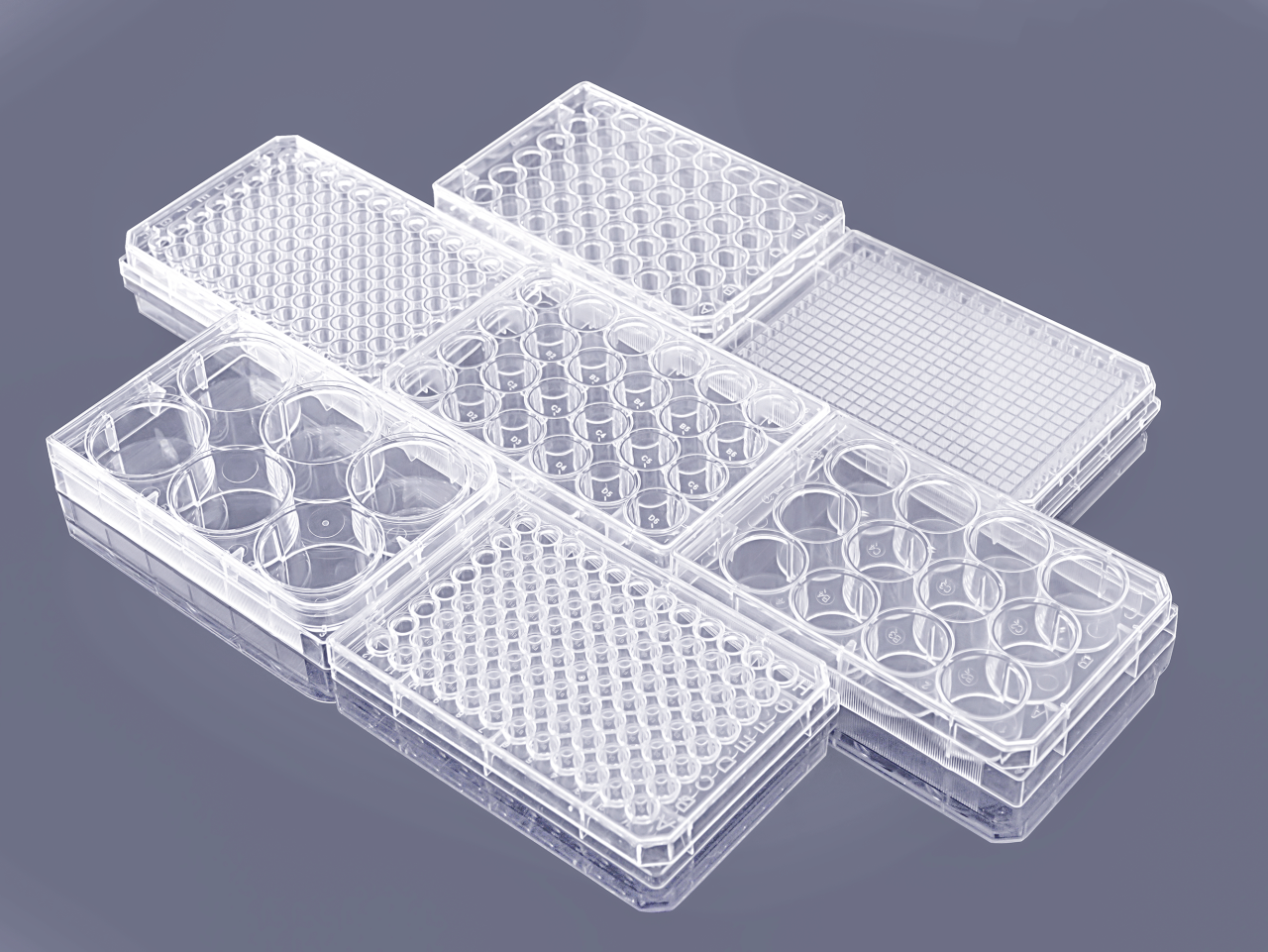
Cell culture contamination can easily lead to data deviation or cell scrap, traditional screening more attention to operating norms, reagent quality, but often ignore the risk of consumables.
As the direct carrier of cell growth, the quality of consumables is the key link of pollution prevention and control, which needs to be strictly controlled from many details.
2 Key Details of Four Consumables and Aizin Plan
1 Sterility assurance: more than "irradiation", the key depends on the level of sterilization
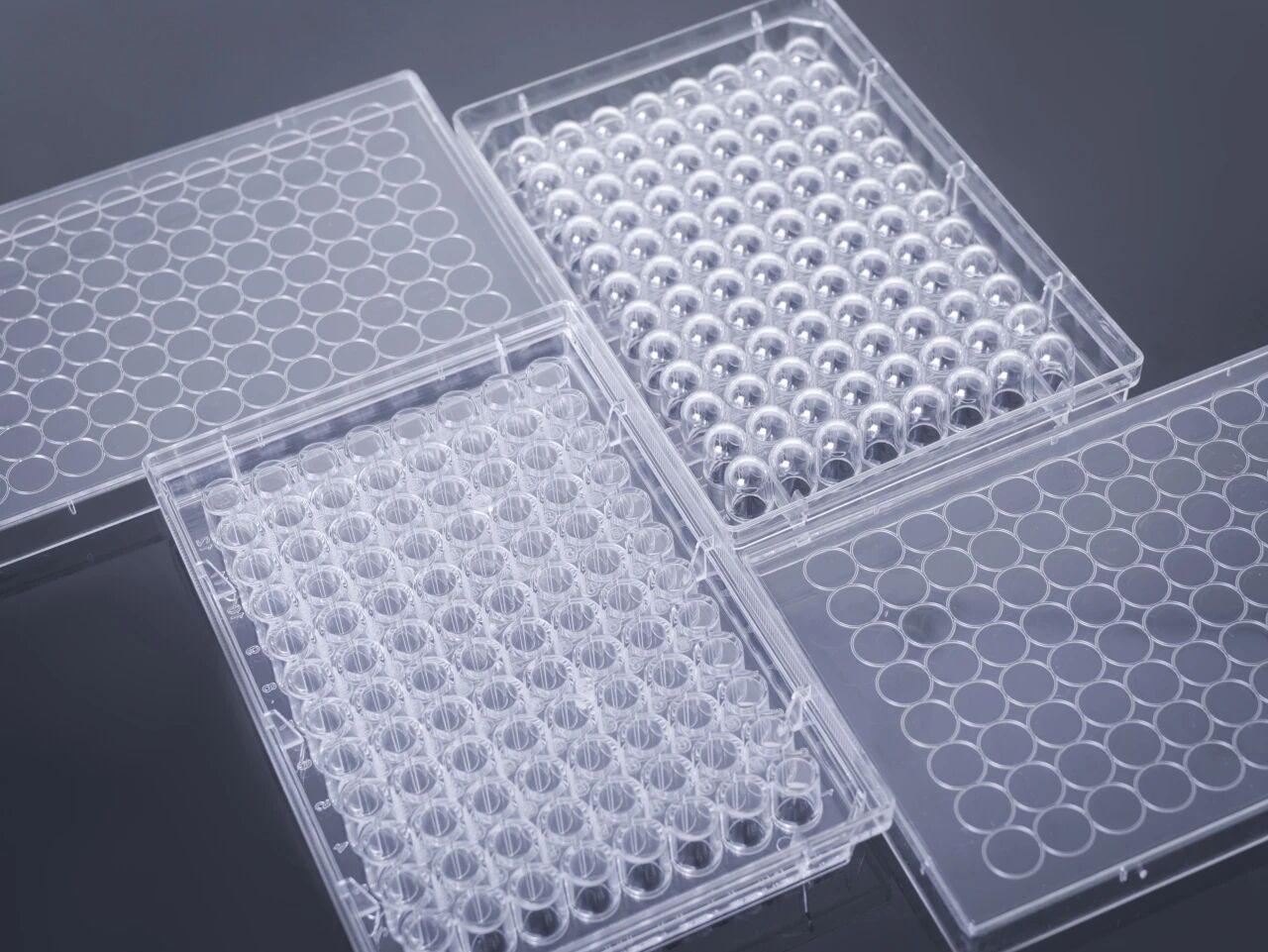
the core of the problem: different sterilization methods (steam, EO, radiation, low temperature) have their own advantages and disadvantages. Incomplete sterilization or residue will cause pollution.
Aizin scheme: radiation sterilization is used, and the sterility guarantee level (SAL) reaches 10, I .e. the probability of microbial survival does not exceed one in a million, which meets the high quality standard.
2 endotoxin prevention and control: guard against invisible "cell killer"
 ,
,
the core of the problem: endotoxin (gram-negative bacteria lipopolysaccharide) is difficult to remove, will activate the immune response, damage the culture environment, lead to cell growth retardation, apoptosis, especially affect sensitive cells.
Aizin plan: strictly control the endotoxin content of consumables to ensure that there is no residue and provide a clean and stable growth environment for cells.
3 surface treatment: smooth, need to match the cell type
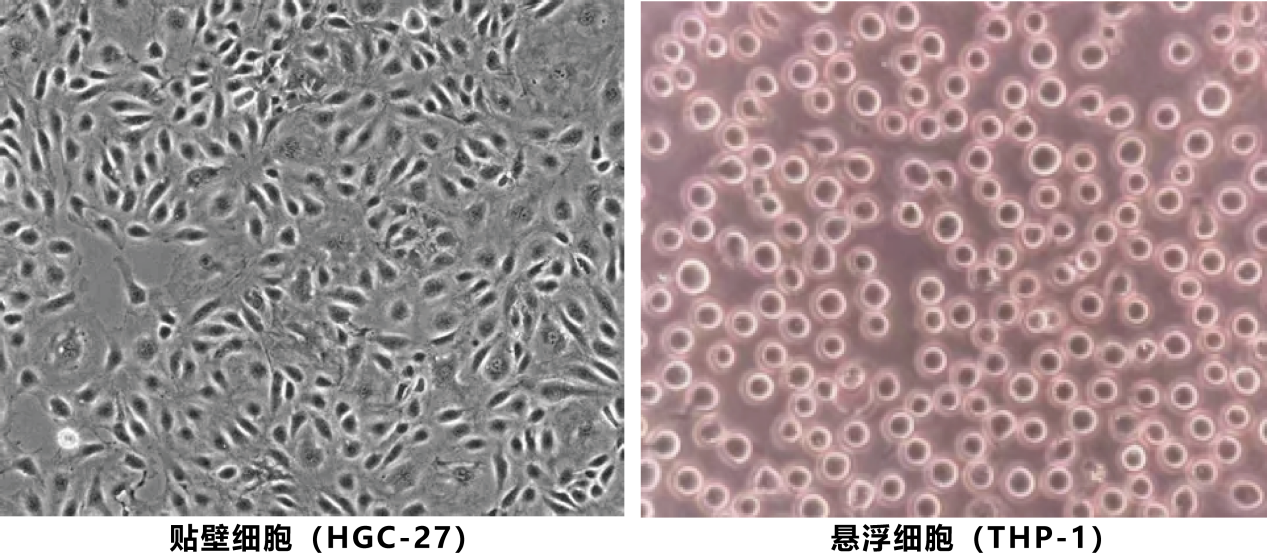
ask the core of the question: rough surface is easy to hide dirt and dirt, and different cell types (adherent/suspended) have different requirements for surface treatment. adherent cells need TC treatment (introduction of hydrophilic factors) to attach and grow.
Aizin Scheme: Except for triangular culture flask, other cell experiment consumables are provided with TC treatment and untreated two types, which are suitable for different culture requirements.
4 production environment and material: from the source to eliminate pollution

the problem: the production environment cleanliness is low, raw material purity is insufficient, easy to cause consumables secondary pollution or initial defects.
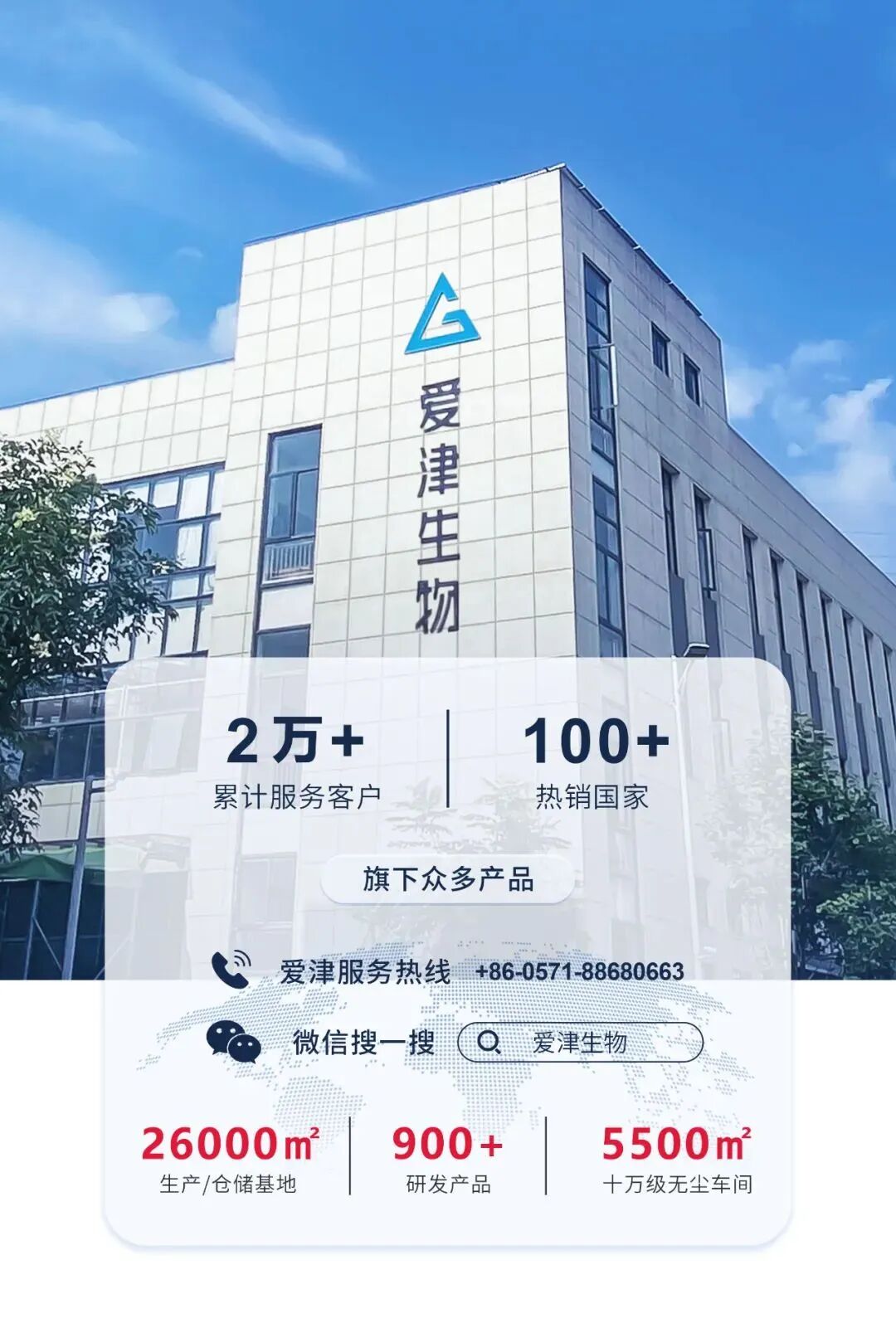
to Aizin Plan: It has a base of 26000m and has passed ISO13485 and other certification. Equipped with 5500m 100,000-class and 500m 10,000-class dust-free workshops;
The raw material adopts USP VI medical grade PS (triangle shake bottle with medical PC), from the source to ensure cleanliness.
3 Aizin product specifications: covering experimental requirements
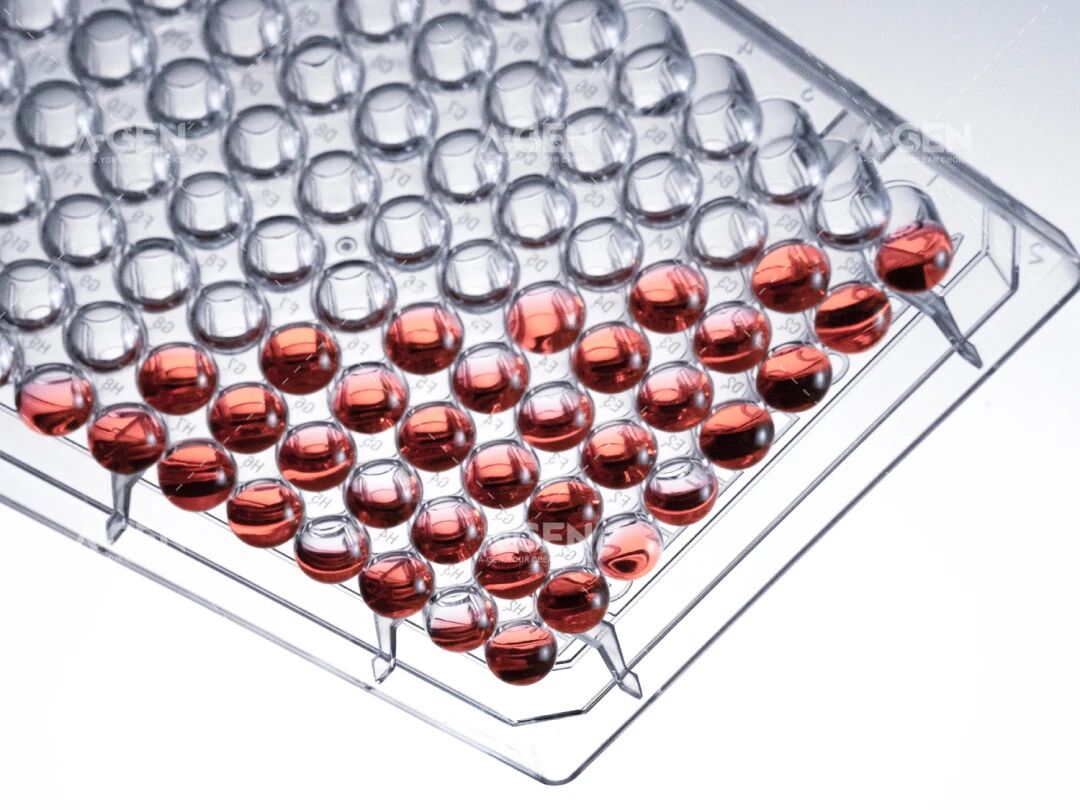
, culture plate: covering 1-6-12-24-48-96-384 wells, flat bottom/U bottom/V bottom design, TC treatment/untreated optional, providing transparent/white/blackboard and various cover bottom combinations.
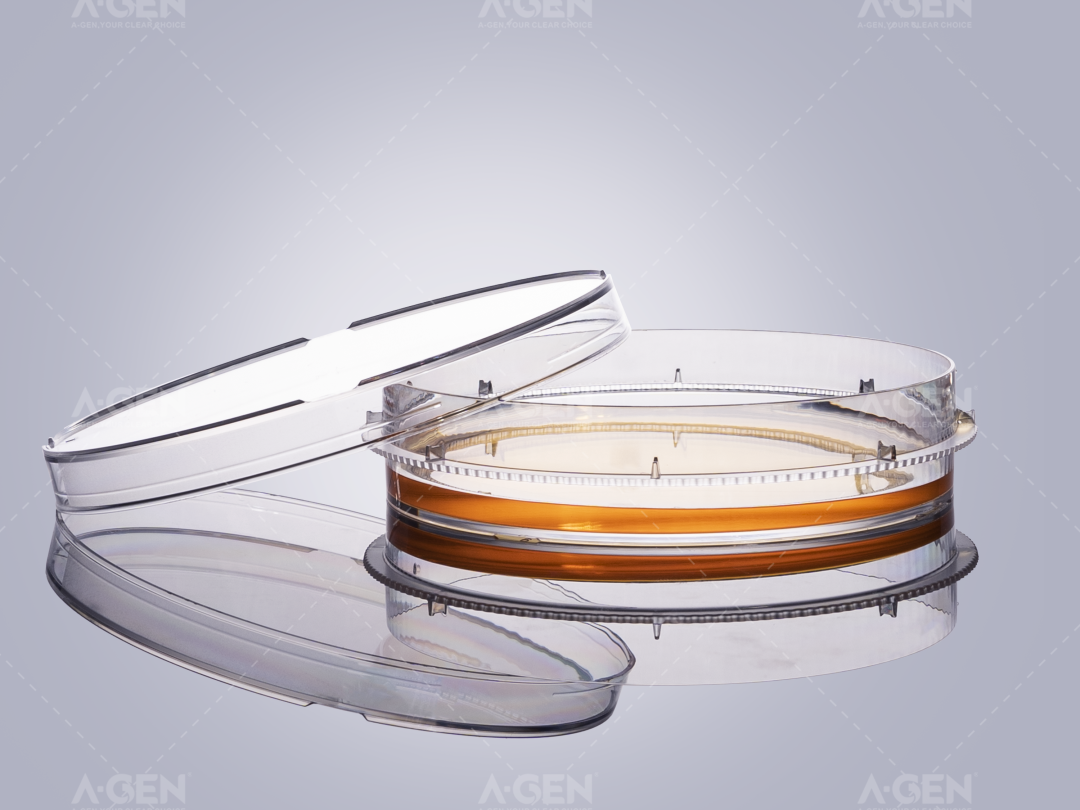
Petri dish :35mm/60mm/100mm diameter, TC treated/untreated optional, with grip ring/no grip ring.

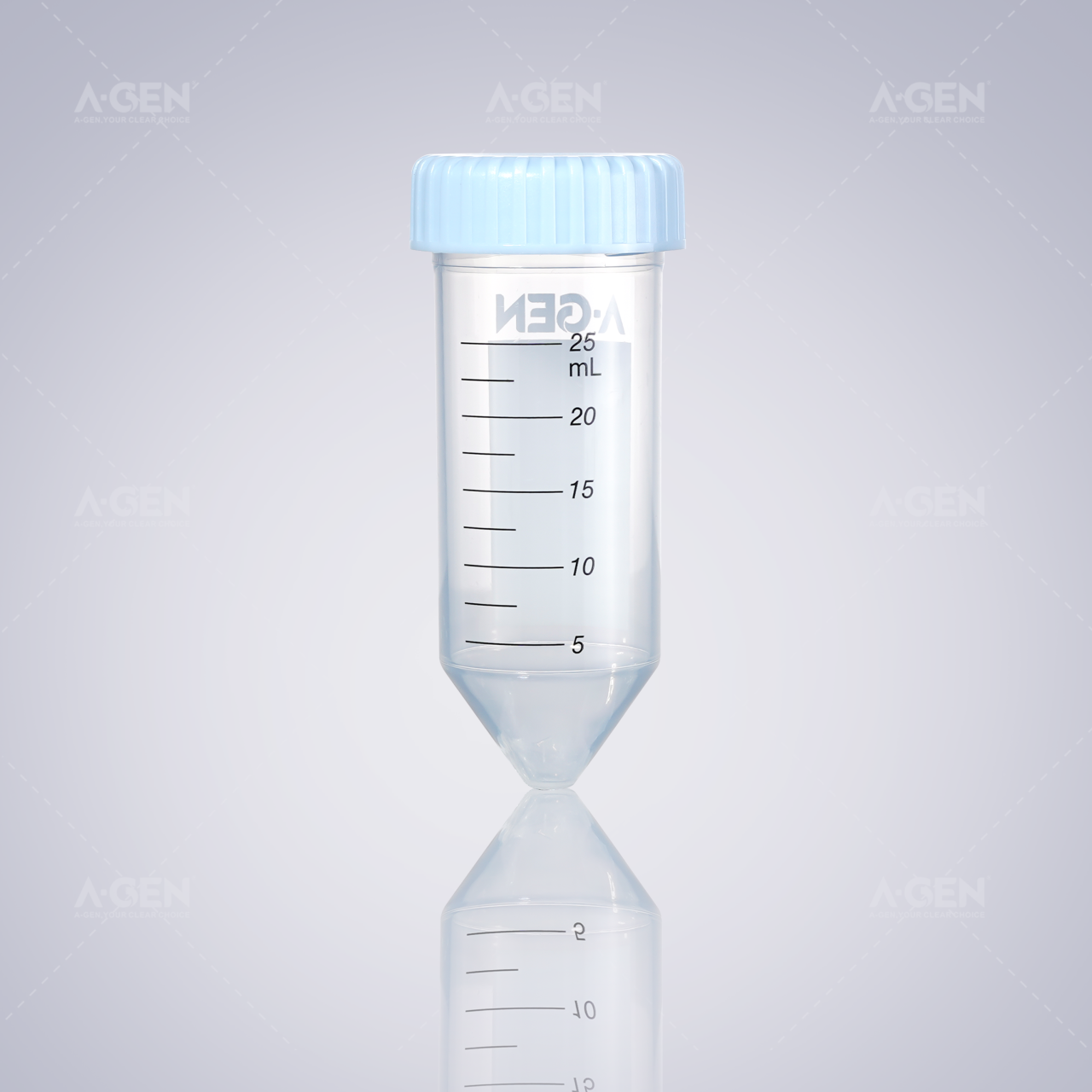
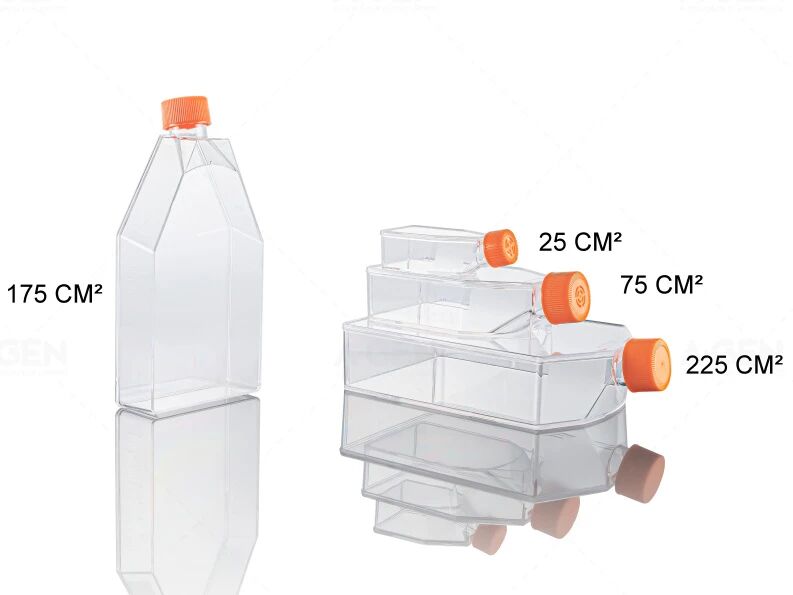
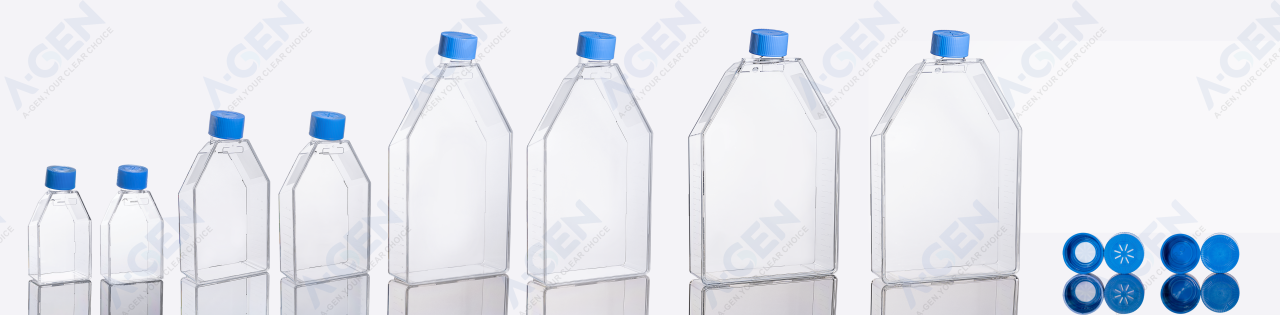
culture flask/shake flask: culture flask 25-225cm ² specification, TC treated/untreated, breathable cap/sealed cap optional;
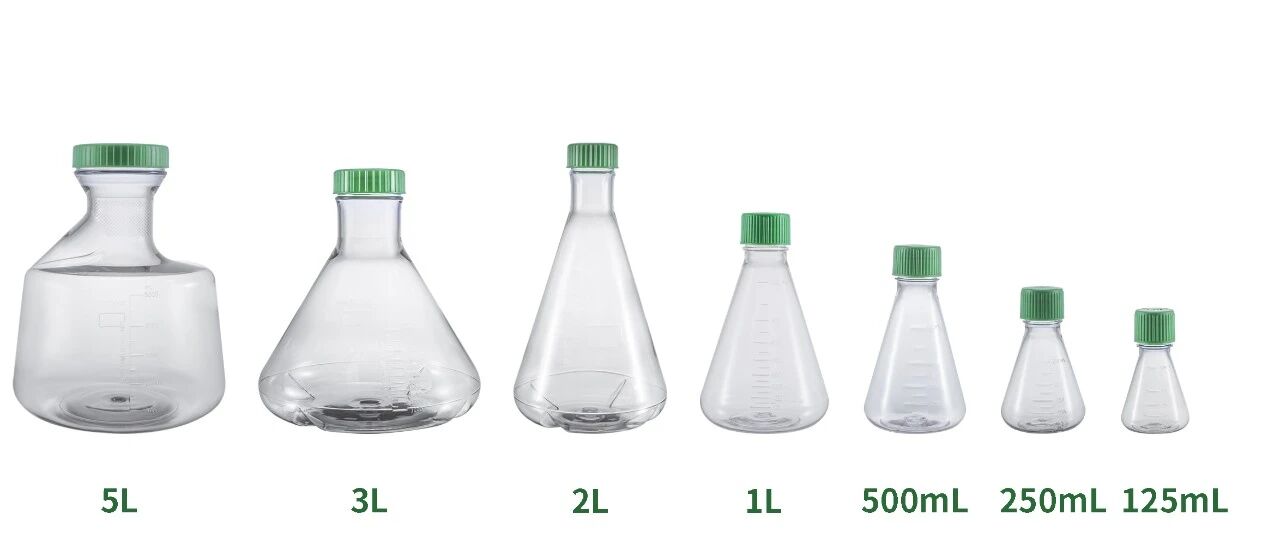
Triangular shake:125mL-5L capacity, breathable cap/sealing cap optional, 2L/3L with baffle concave bottom.
4 Core Conclusions
Aizin Bio through the control of supplies four key details, to provide rich specifications of products, to create high-quality experimental supplies, to help researchers to avoid pollution risks, to ensure cell culture experiments stable and smooth.