Dry goods sharing | Nucleic acid experiment is unstable? May be the enzyme in the "trouble"

High-quality nucleic acid is the basis of qPCR and transcriptome sequencing, but DNase/RNase in nature will quickly degrade the sample, leading to experimental failure.
In particular, RNase activity is stable and difficult to completely inactivate,
trace contamination can lead to experimental failure!
Therefore, to build a DNase/RNase-free experimental environment,
the outcome is crucial. Don't worry about the experiment getting stuck,
researchers exclusive electronic wooden fish has been opened!
Get your research cybersign as soon as possible,
unlock the Enzyme Flooding Guide Lab Secrets,
forward this tweet to the "Love Each Other Research Group",
this week will be left.

01 DNase and RNase characteristics and sources
DNase and RNase are hydrolytic enzymes that specifically degrade DNA and RNA,respectively. They break the nucleic acid strand by cleaving the phosphodiester bond in the nucleic acid molecule,resulting in degradation. Because of its disulfide bond structure,RNase has extremely high stability,can resist high temperature boiling and even denaturants,and can refold to restore activity after inactivation,which makes it the number one natural enemy of RNA-related experiments. Sources of pollution fall into two main categories:
① Exogenous pollution
mainly from the experimental environment
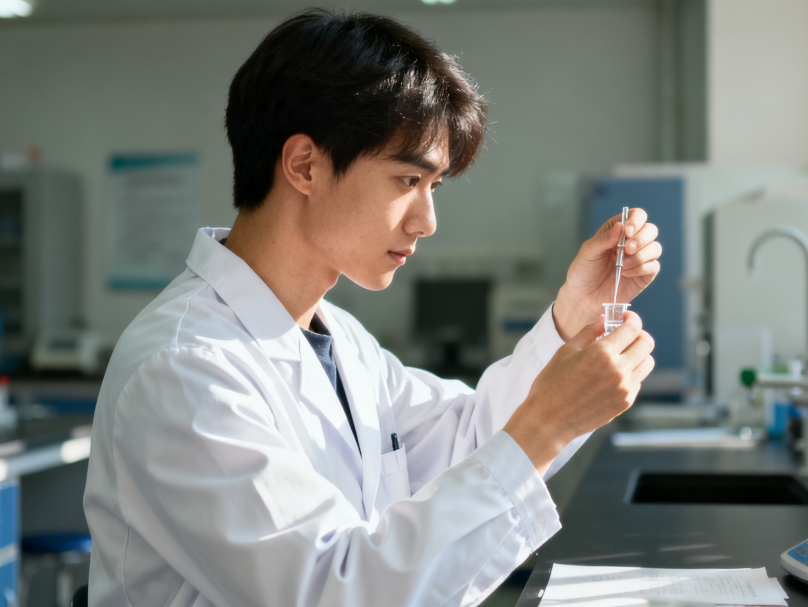
✅Experimenters:Skin,sweat,saliva (droplets) and hair all contain large amounts of nucleases.
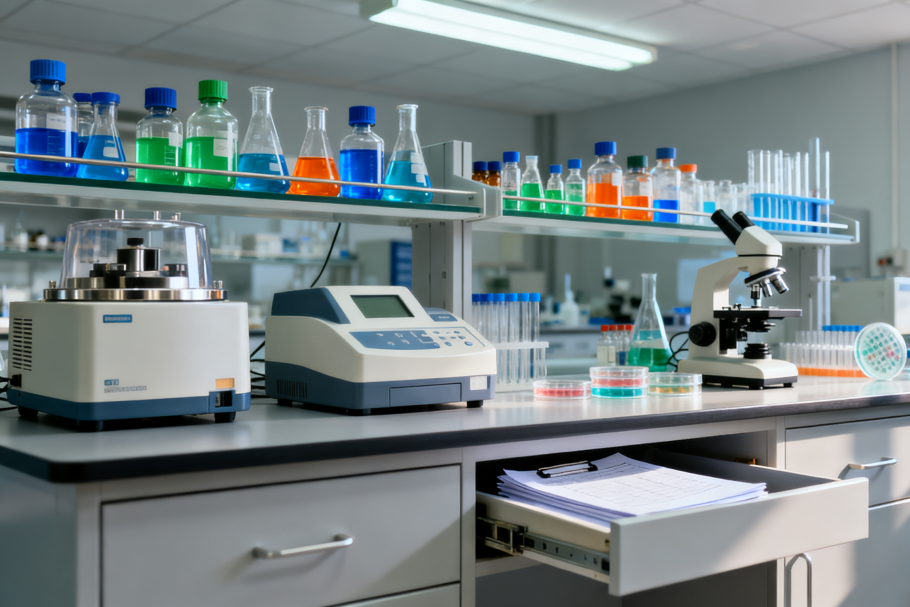
✅Experimental equipment:pipettes,tips,centrifuge tubes,glassware,experimental countertops and instrument keys are easily attached to nuclease if they are not properly handled.
✅Reagents and water:ordinary distilled or deionized water and chemical reagents may be contaminated during production and storage.
✅Airborne dust particles:can carry the nuclease into the open placed reagent or sample.
② Endogenous pollution
nuclease carried by the sample itself
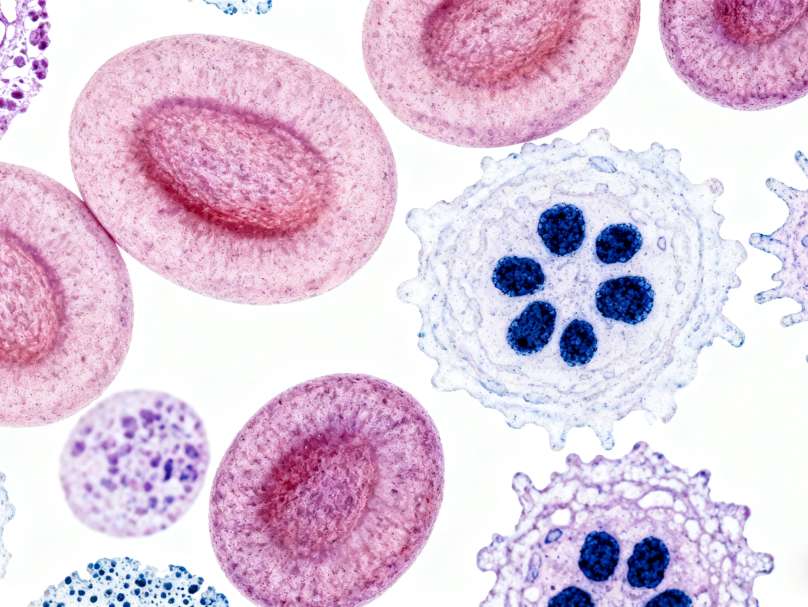
✅Endogenous contamination refers to nucleases carried by the sample itself,and all biological tissue and cell samples contain endogenous nucleases. Once the sample leaves the living body or its original growth environment,endogenous enzymes begin to degrade the RNA/DNA. The rate of degradation depends on the endogenous enzyme content and the ambient temperature. For example,liver,pancreas,spleen,thymus,brain tissue and plant tissue are rich in endogenous nuclease,if not handled properly,nucleic acid will be rapidly degraded.
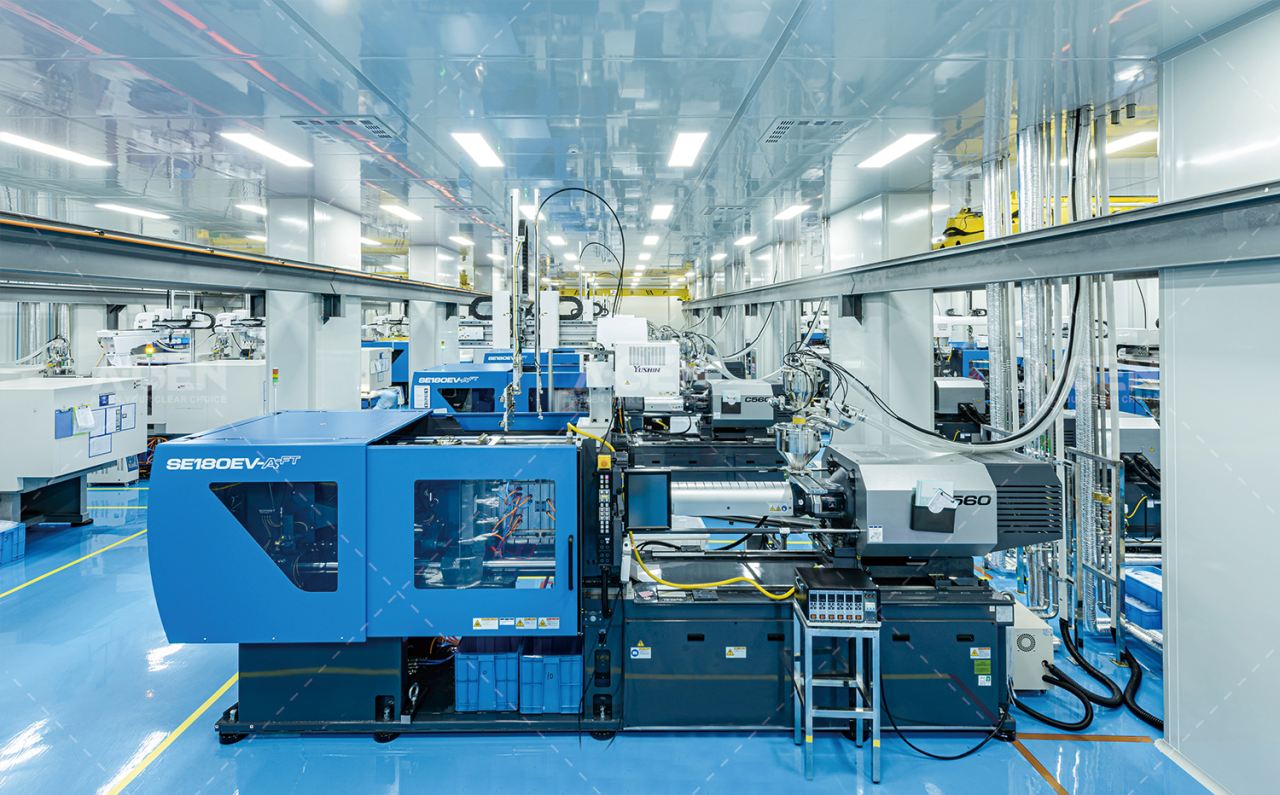
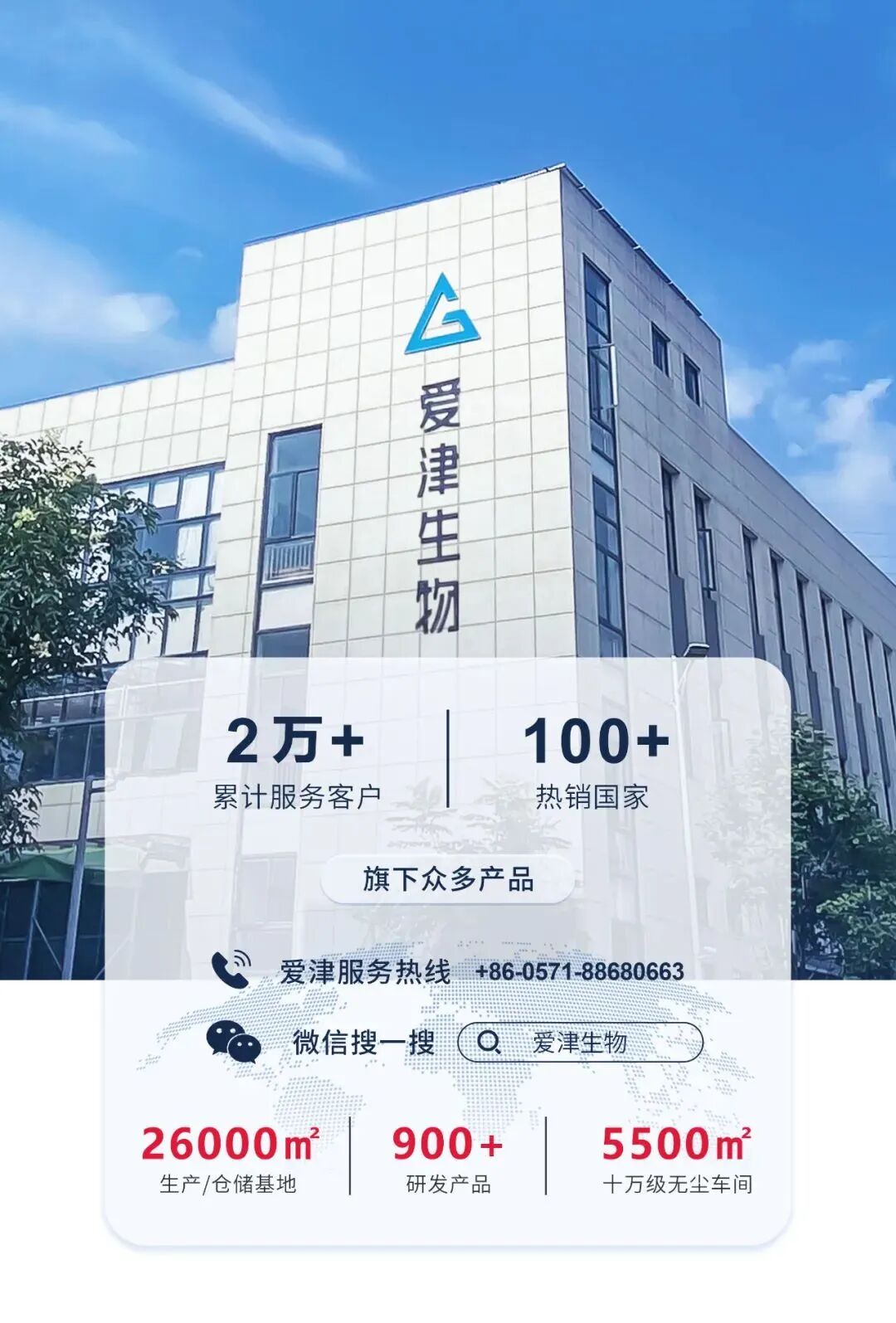
In response to these potential risks,choosing reliable non-enzyme consumables is the first step to prevent and control pollution. All products of Aizin Biology-from centrifuge tubes,suction heads,deep well plates to PCR plates,cell culture series,etc.-are manufactured in a 100,000-grade dust-free workshop. Before leaving the factory,they are strictly tested to ensure no DNase/RNase pollution,no pyrogens and no PCR inhibitors. It allows researchers to focus on the experiment itself,rather than worrying about exogenous risks.
02 Establishment of DNase-free RNase-free experimental environment
to establish a clean environment for nucleic acid operation,it is necessary to start with the system of environment,consumables,operation and reagents.
Experimental Environment and Disposal of Consumables
"Dedicated experimental area and regular cleaning"
where possible,set up a dedicated clean bench or area for RNA/DNA manipulation. Periodically wipe the countertop and instrument surfaces with a nuclease scavenger. These scavengers can effectively inactivate the nucleic acid enzyme,and are usually non-toxic and non-corrosive,and need to be wiped with enzyme-free water to remove the residue after use.
"Consumables Handling"
glass and metal ware can be sterilized by dry baking or treated with nuclease scavengers,which are more convenient and safe.
"Plastic consumables (tips, centrifuge tubes, etc.)"
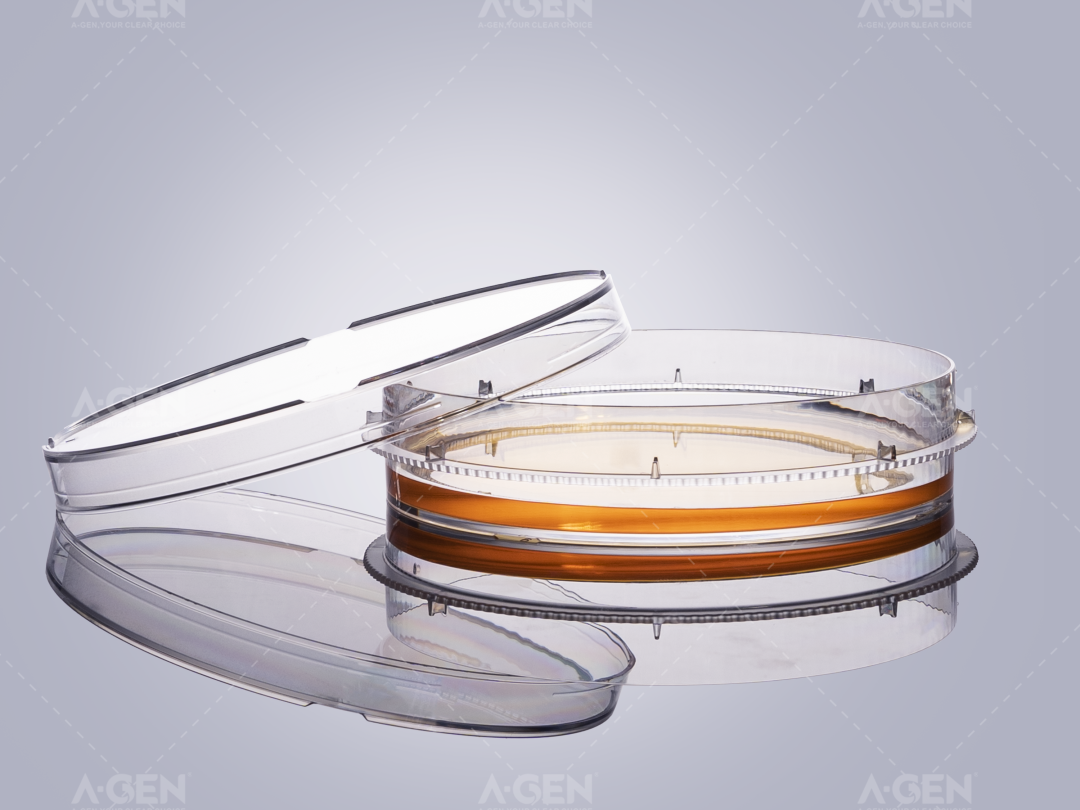
priority is given to commercial,DNase/RNase-free consumables,which are more reliable and safe when opened.
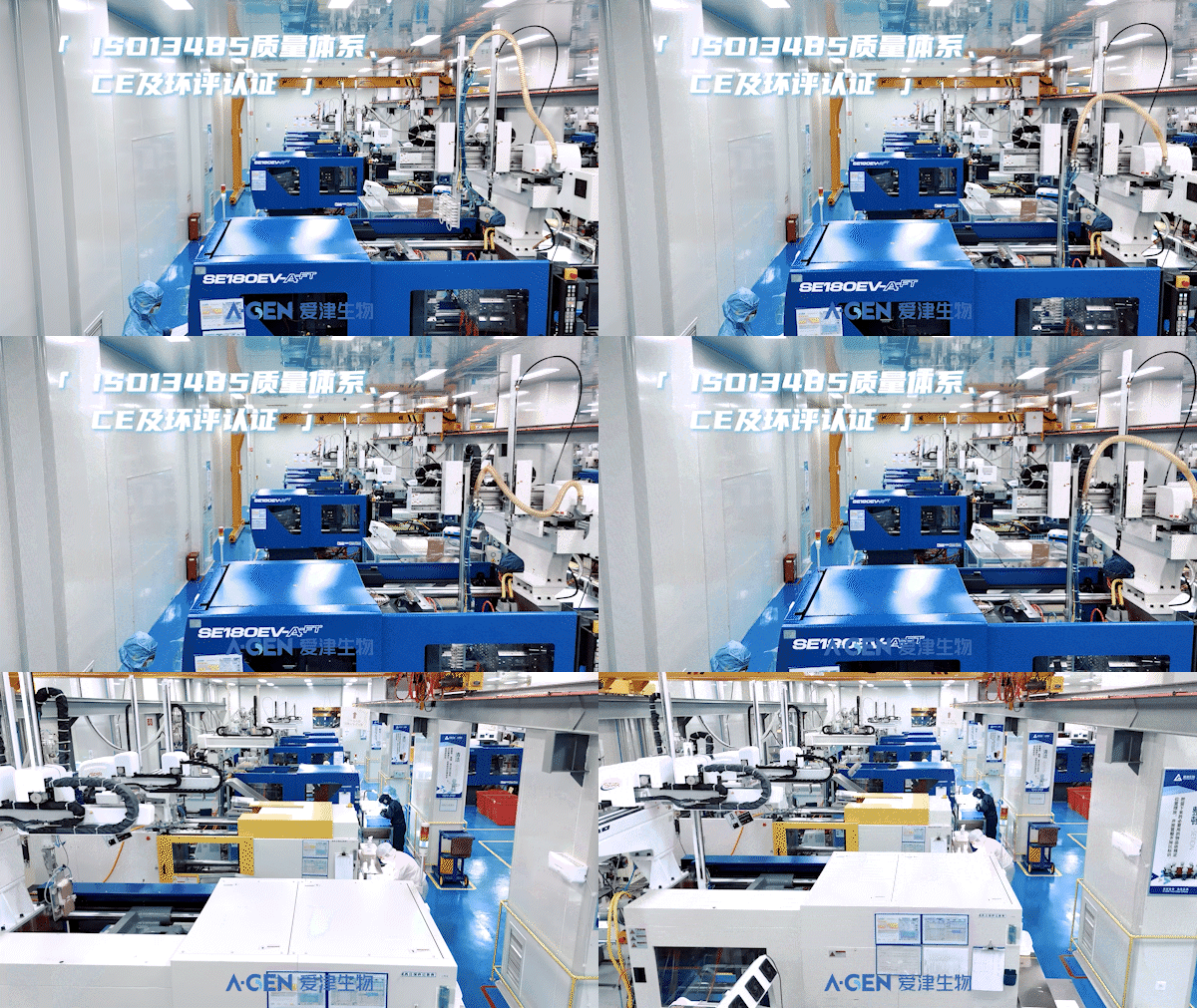

All consumables products of Aizin Biology have passed the ISO13485 quality management system and CE certification. The production base covers an area of 26000 ㎡,and is equipped with 5500 ㎡ of 100,000-class and 500 ㎡ of 10,000-class dust-free workshops. The production and quality control are strictly in accordance with the standard process,which can provide real "unpacking and ready-to-use" enzyme-free consumables guarantee for laboratory personnel.
Experimental Operation Specification
"Personal Protection and Awareness"
wear clean powder-free gloves and a mask before the experiment. Change gloves immediately after contact with any potential source of contamination (such as a doorknob,phone,your own skin,or hair) and try to avoid talking when handling RNA samples.
"Use suction head with filter element"
in all the steps involving reagents,it is best to choose a suction head with a filter element. Its high efficiency filtration and strong hydrophobicity can effectively prevent aerosol from contaminating the inside of the pipette and avoid cross-contamination.
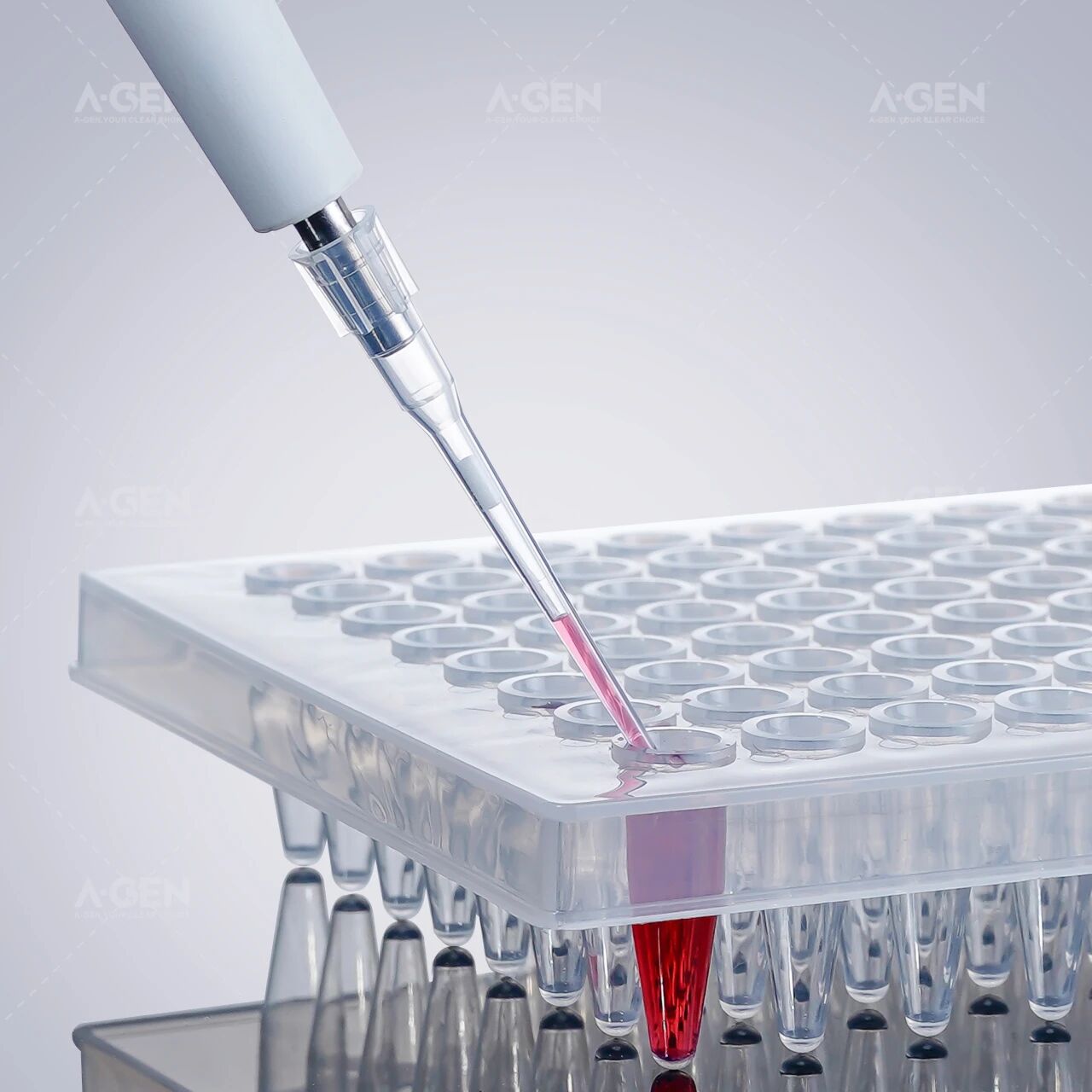
"Change consumables frequently and repackage reagents"
whenever possible contamination is suspected,gloves,centrifuge tubes and suction tips should be replaced immediately. The reagent is sub-packed in small portions,and each experiment uses a separate sub-bottle to avoid the contamination of the whole bottle of reagent caused by repeated use.
Endogenous nuclease prevention and control
for endogenous contamination,the key is to quickly and effectively inhibit the activity of nuclease in the sample.
"Quick processing and proper preservation of samples"
samples should be processed as soon as possible after collection. If immediate nucleic acid extraction is not possible,rapid freezing measures (e. g. direct input into liquid nitrogen) must be taken to minimize RNA/DNA degradation. For tissue samples,liquid nitrogen milling is the most effective method to disrupt tissue and simultaneously inhibit endogenous enzymes.
"RNA sample preservation solution"effectively protects the sample RNA from degradation by endogenous enzymes,such as RNAlater.
"Choosing the right lysis solution",in the nucleic acid extraction stage,a lysis solution that rapidly inactivates the endogenous nuclease should be used. For tissues with high endogenous enzyme content (such as liver,pancreas,plant tissue,etc.),it is recommended to use a phenol-containing lysate to enhance the inactivation ability. The electric homogenizer is used in conjunction with a liquid nitrogen mill to ensure that the tissue cells are quickly and thoroughly homogenized,so that the active ingredients in the lysate immediately inhibit the intracellular nuclease.

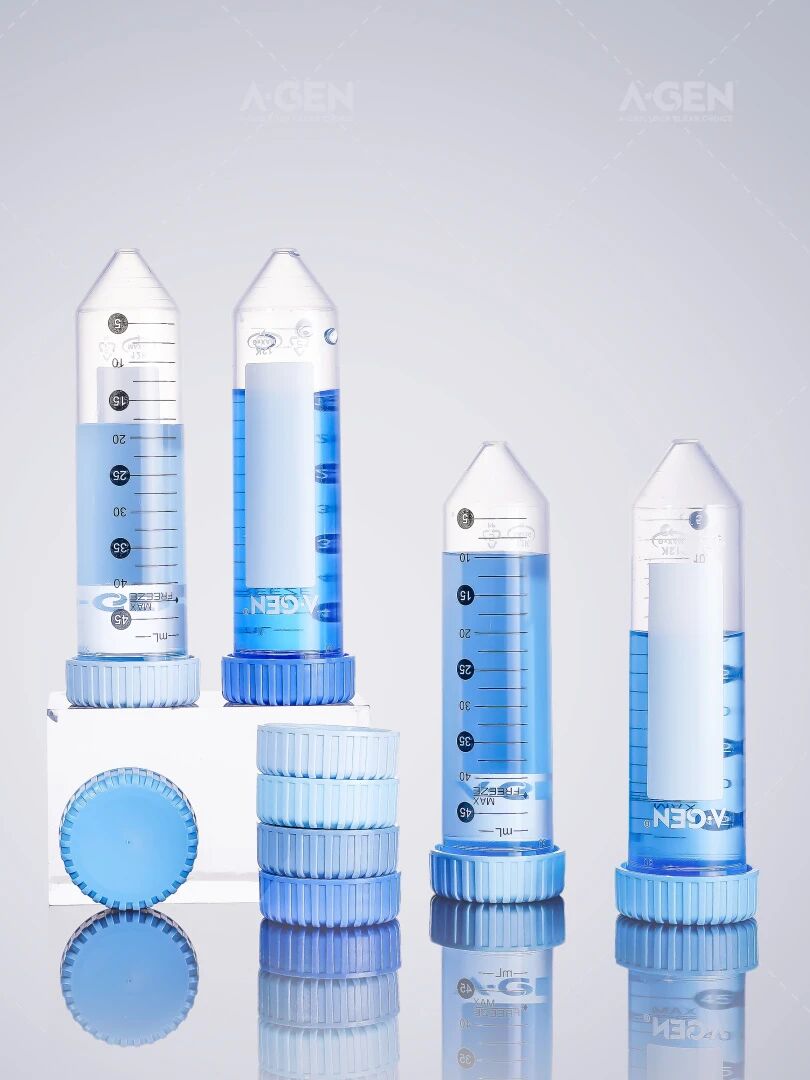
Aizin Bio provides a variety of specifications of centrifuge tubes and liquid storage consumables for different sample types to provide matching solutions,from sample processing to nucleic acid extraction to prevent pollution.
Reagent and water selection"Commercial Non-Enzyme Reagent"DNase/RNase-free reagents and ultrapure water are recommended.
"Self-processing reagents"For self-made reagents,be sure to use enzyme-free water and treated utensils.
All consumables ofAizin Biology are free of DNase/RNase pollution,pyrogen-free and PCR inhibitor,and can be safely used in highly sensitive nucleic acid experiments.
03 No DNase/RNase environment inspection
The regular inspection laboratory has no DNase/RNase environment,which is also critical.
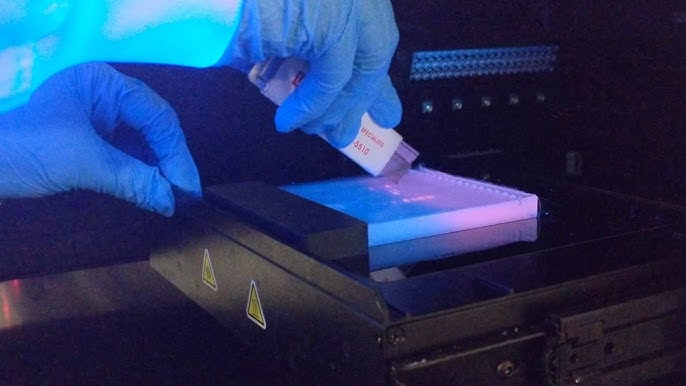
01 Direct verification method (gel electrophoresis)
Incubate a complete RNA or DNA standard fragment with water or buffer to be verified,and observe it by agarose gel electrophoresis after a period of time.
bands clearly indicate contamination,tailing or disappearance of bands indicates degradation.
02 fluorescence assay
can quickly and quantitatively detect very small amounts of RNase or DNase activity using a commercial high sensitivity fluorescent substrate detection kit,which helps to accurately locate the source of pollution.
04 Nuclease Contamination Emergency Treatment
Once nuclease contamination is suspected or confirmed:
① Comprehensive replacement of consumables and reagents
to discard possible contamination of the suction head,centrifuge tube and other laboratory consumables,to enable new batches of reagents.② Laboratory deep cleaning
to use special nucleic acid scavenger to wipe the table,instrument,and the experimental area for ultraviolet radiation.
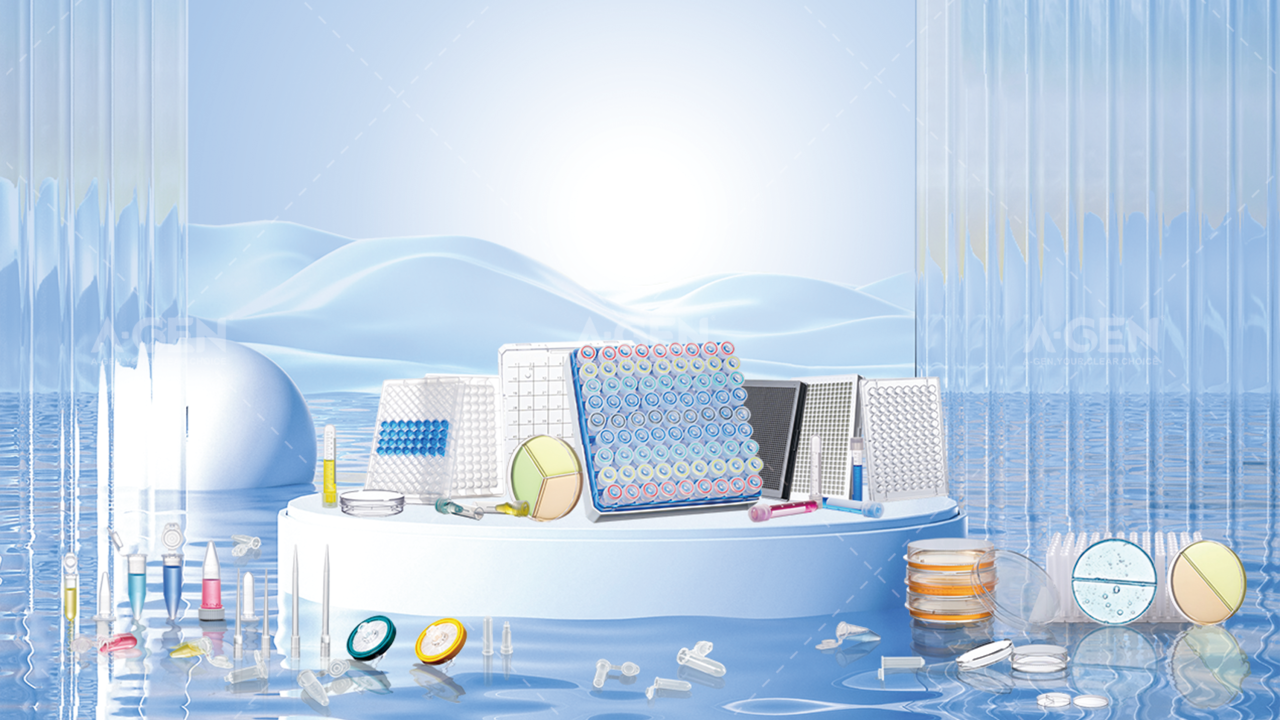
,Aizin Bio's consumables product series covers more than 900 kinds, including deep well plates, pipetting tips, columns, storage tanks, PCR series, cell culture, etc., to fully meet different experimental scenarios of non-enzyme prevention and control needs, for the laboratory to build a lasting and stable clean system.
05 Choose Aizin Choose Quality
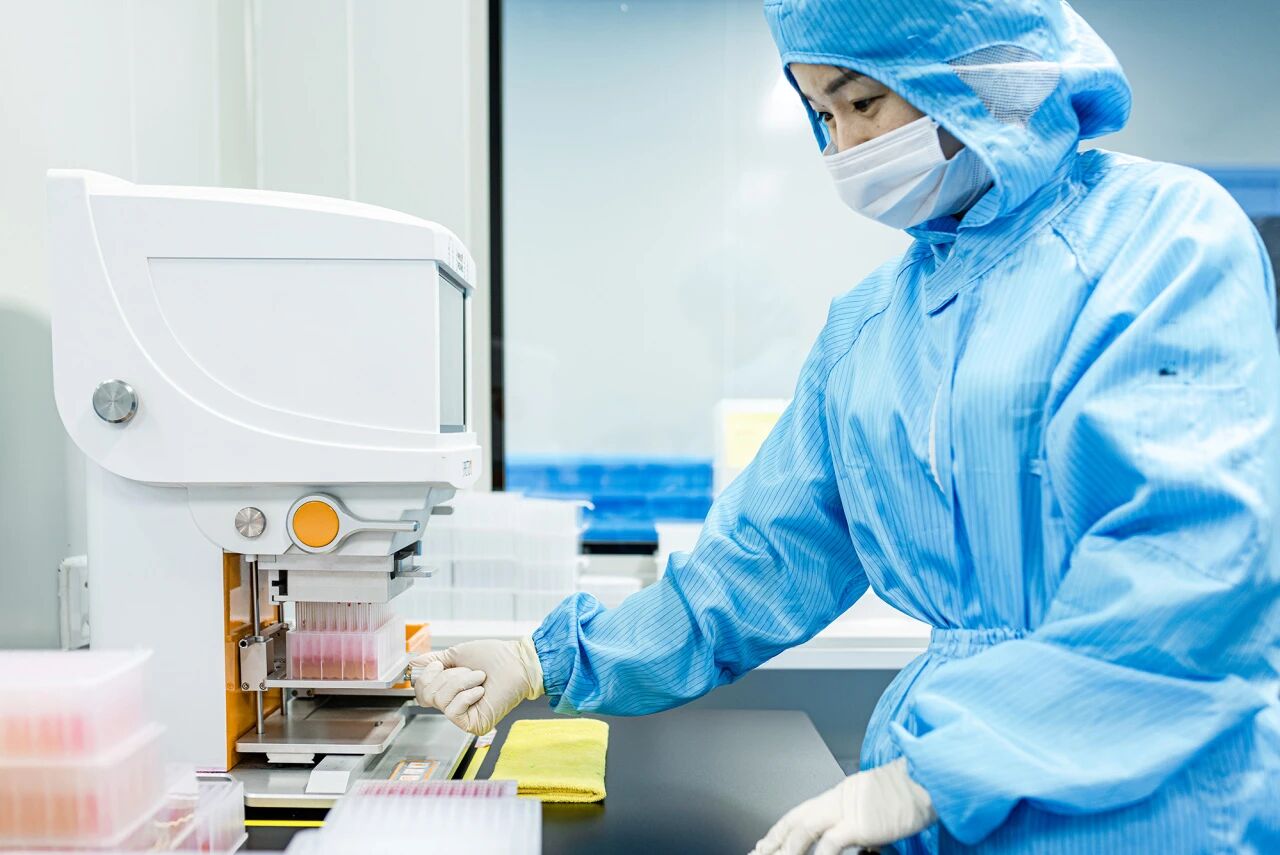
maintaining a DNase/RNase-free environment is the basis for ensuring reliable results in molecular biology experiments. This not only depends on the standard consciousness of the experimenters, but also needs to be guaranteed by reliable experimental consumables.