Product recommendation | How to select a suitable cell culture plate for different experimental needs?

Cell culture plate how to choose
the cell culture plate is an important tool for cell culture, select the appropriate cell culture plate on cell growth and experimental results have a crucial impact.
Thecell culture plate can be divided into flat bottom and round bottom (U-shaped and V-shaped) according to the different shape of the bottom; the number of wells is 6, 12, 24, 48, 96, 384, etc;
surface treatment methods are TC treatment and ultra-low adsorption treatment. The specific choice depends on the type of cultured cells, the required culture volume and different experimental purposes.
01 bottom shape of the choice
of flat bottom culture plate is our daily cell culture experiment used more, almost can be used for any type of# cell culture, easy to observe under the microscope, a clear bottom area, cell culture liquid level height is relatively consistent.
∆ U-shaped bottom
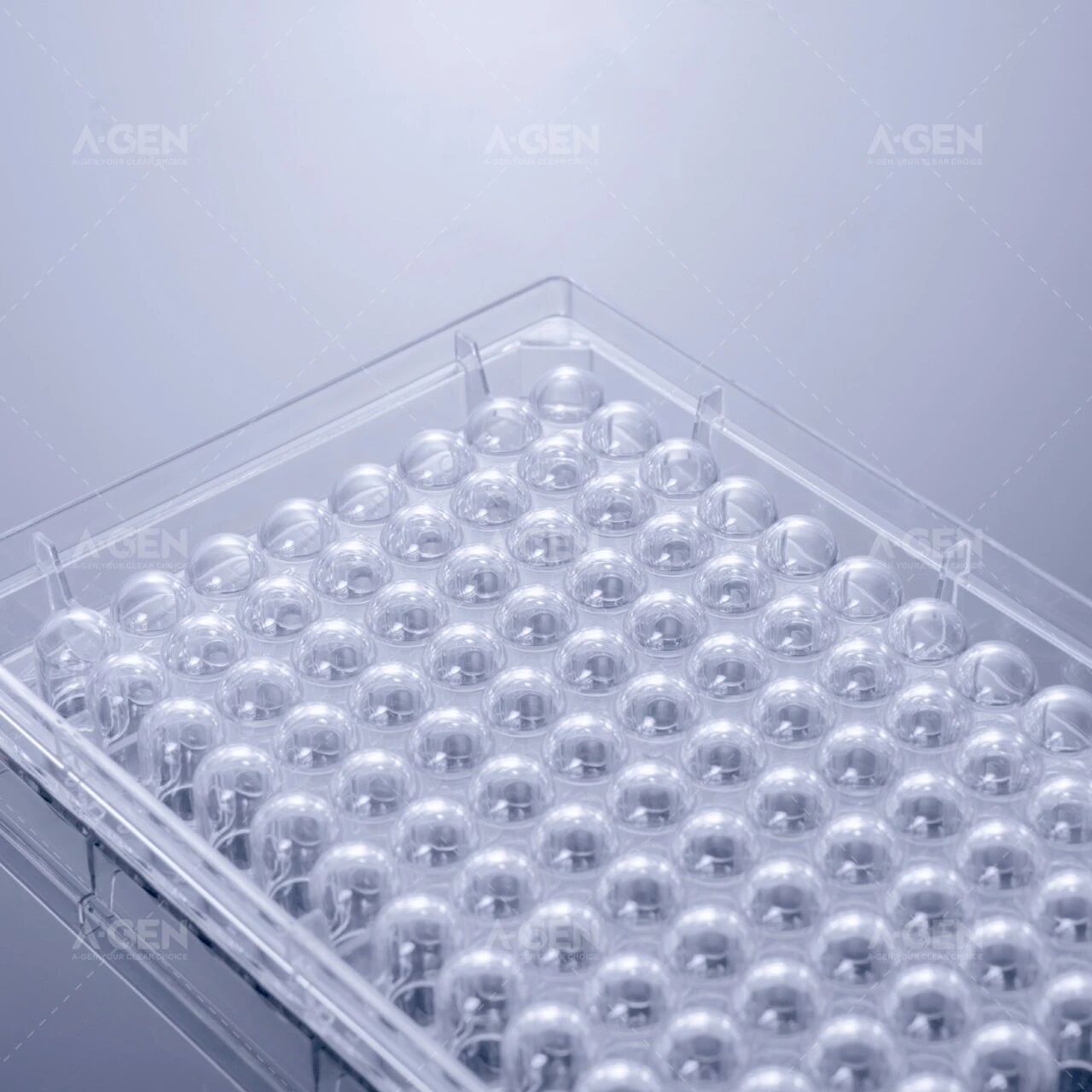
U-shaped or V-shaped plates are generally used for special experimental needs. It is used less in daily experiments.
, for example, in immunology, when two different lymphocytes are mixed and cultured, they need to be stimulated by mutual contact. At this time, U-shaped plates are generally used, because cells will gather in a small range due to gravity.
V-plate commonly used to do cell killing, immunological hemagglutination experiments. Cell Killing This experiment can also be replaced by a U-plate (after addition of cells, low speed centrifugation).
02 hole number selection
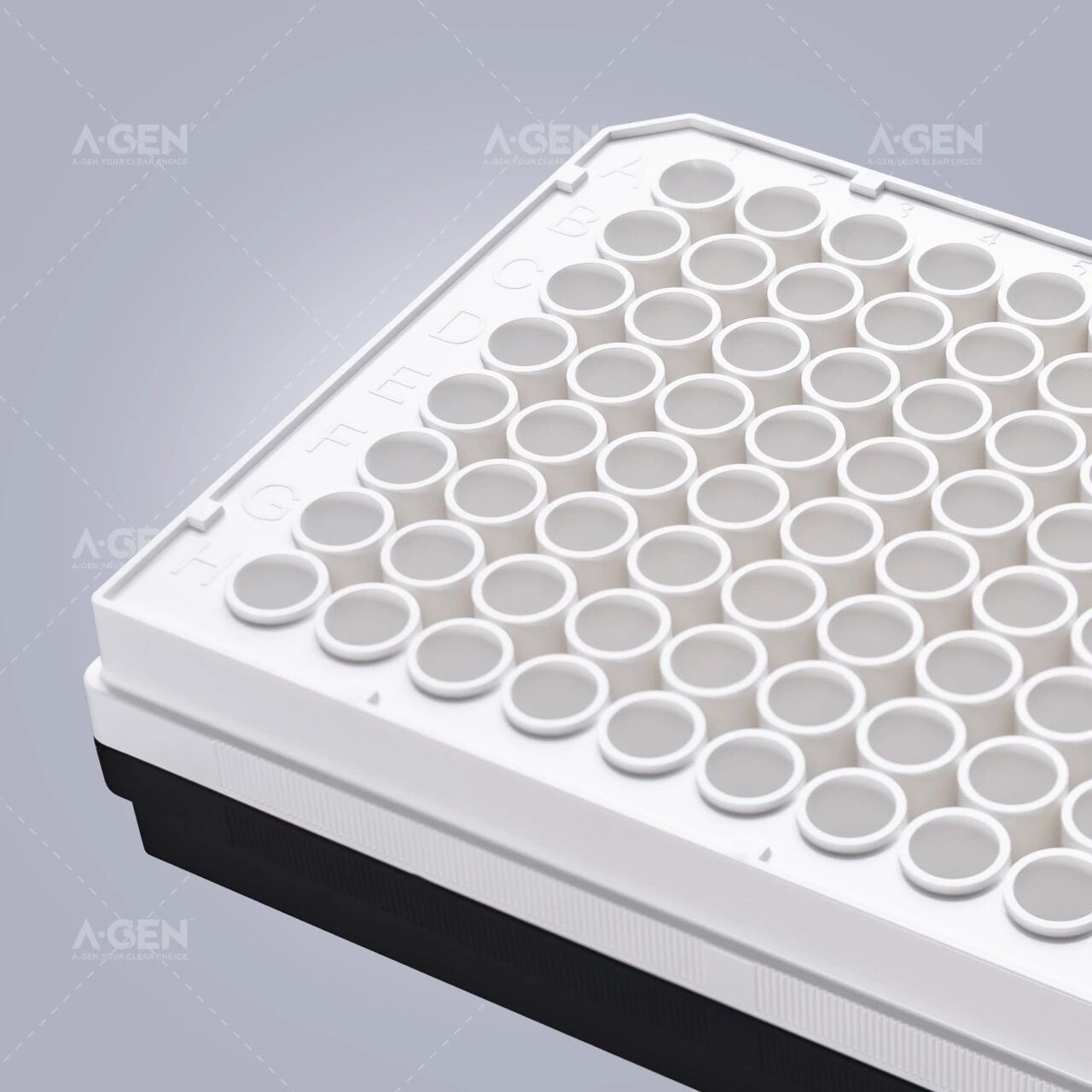
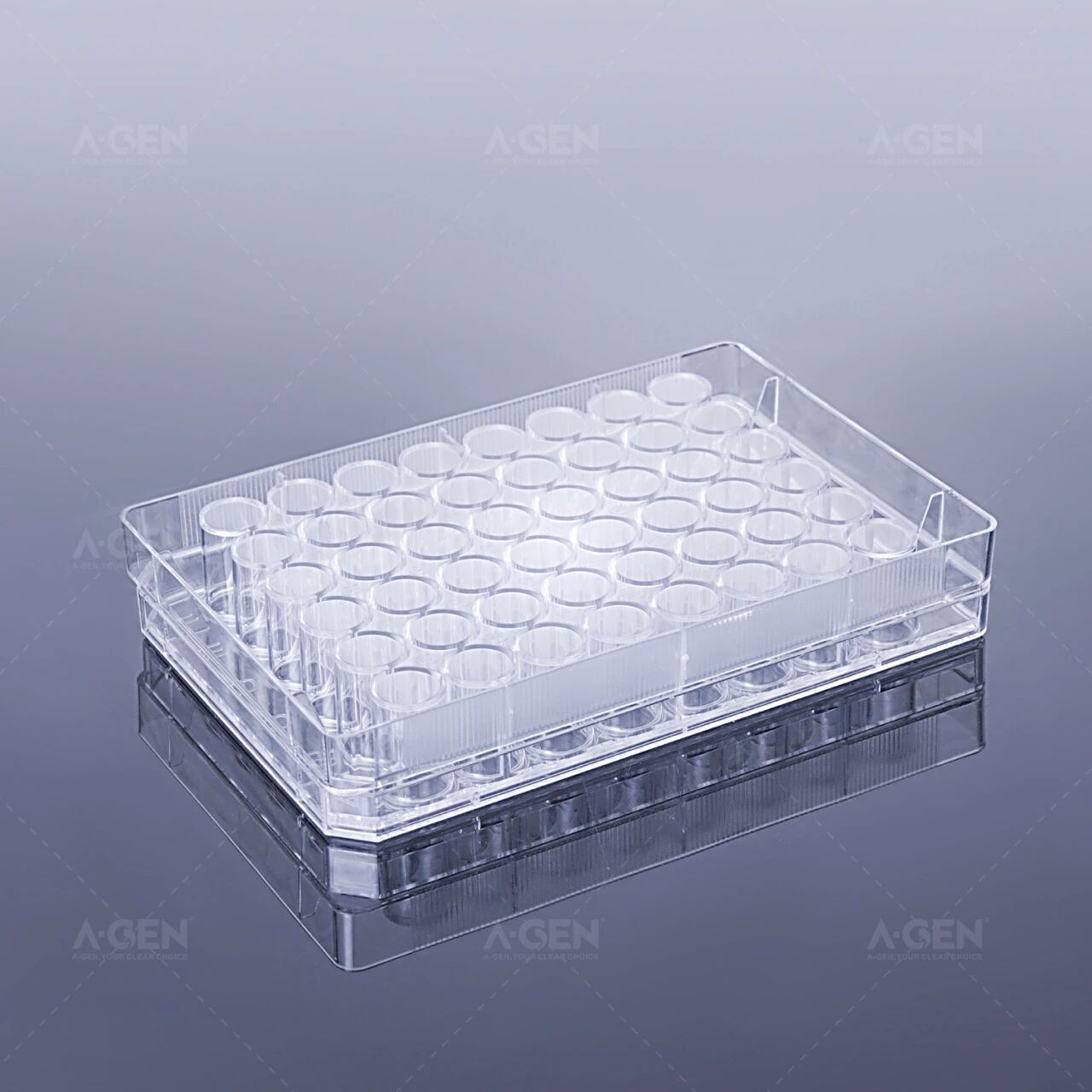
of cell culture plate commonly used hole number of 6 wells, 12 wells, 24 wells, 48 wells, 96 wells and 384 wells, how to choose the number of wells mainly according to the level of flux required by the experiment and the specific experimental requirements to decide.
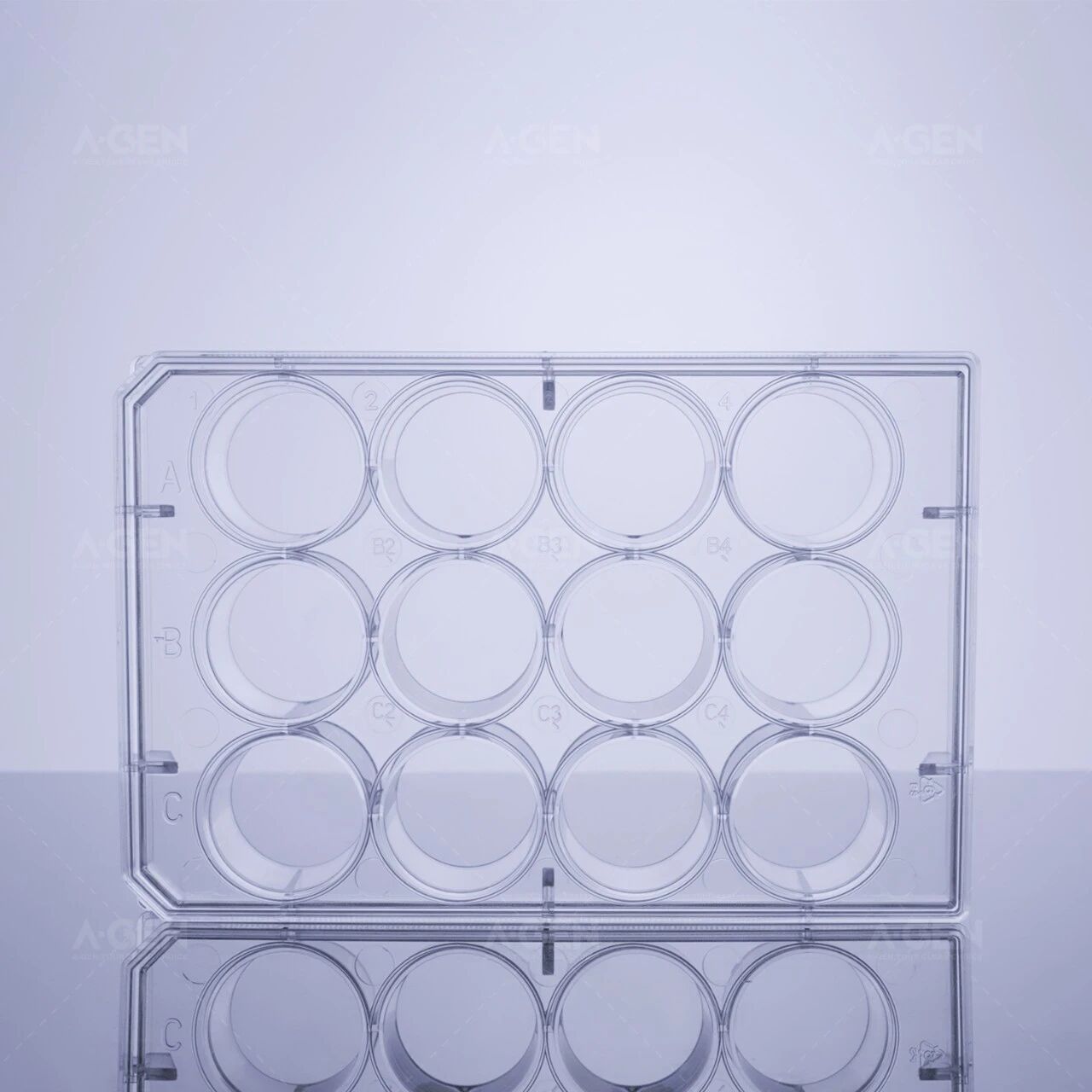
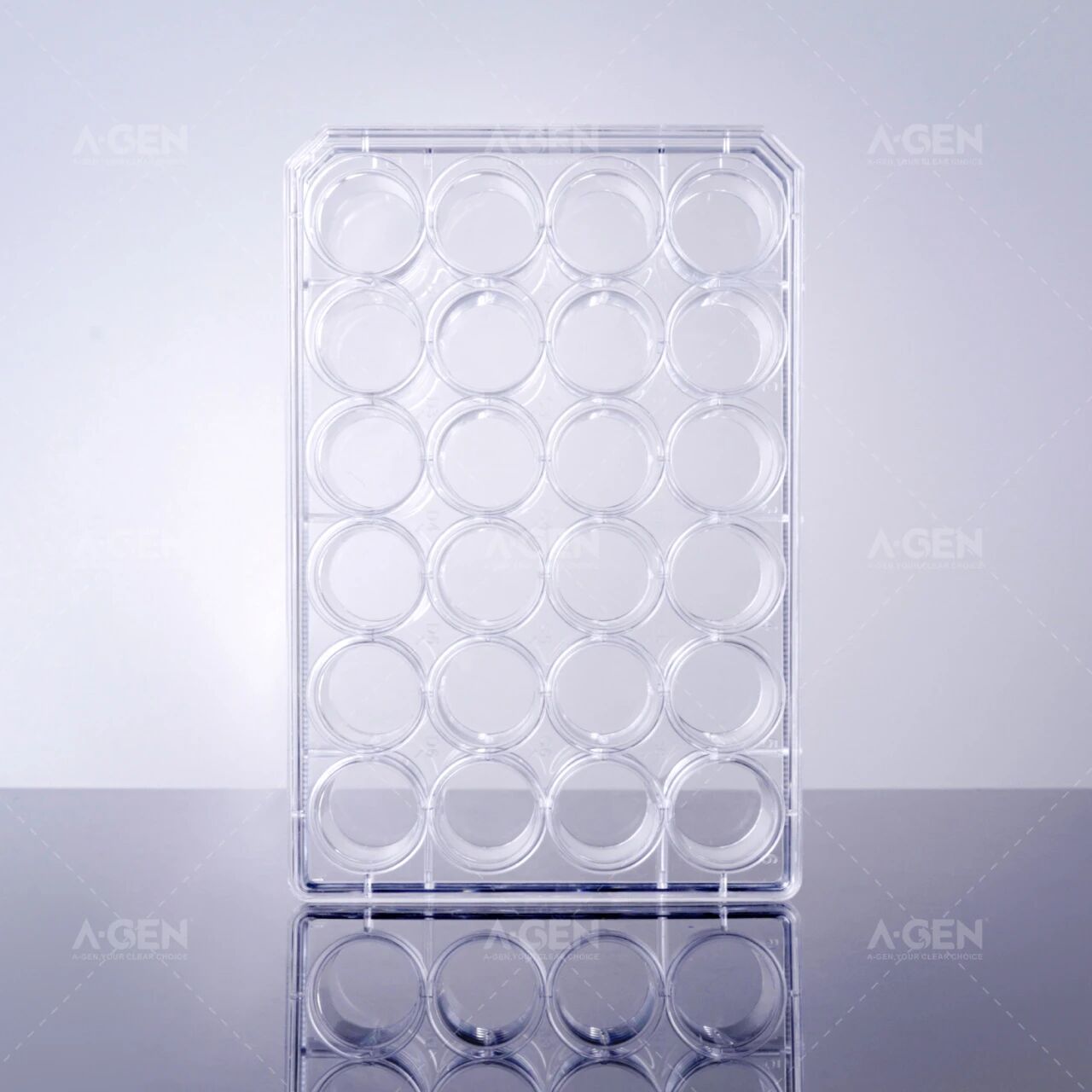
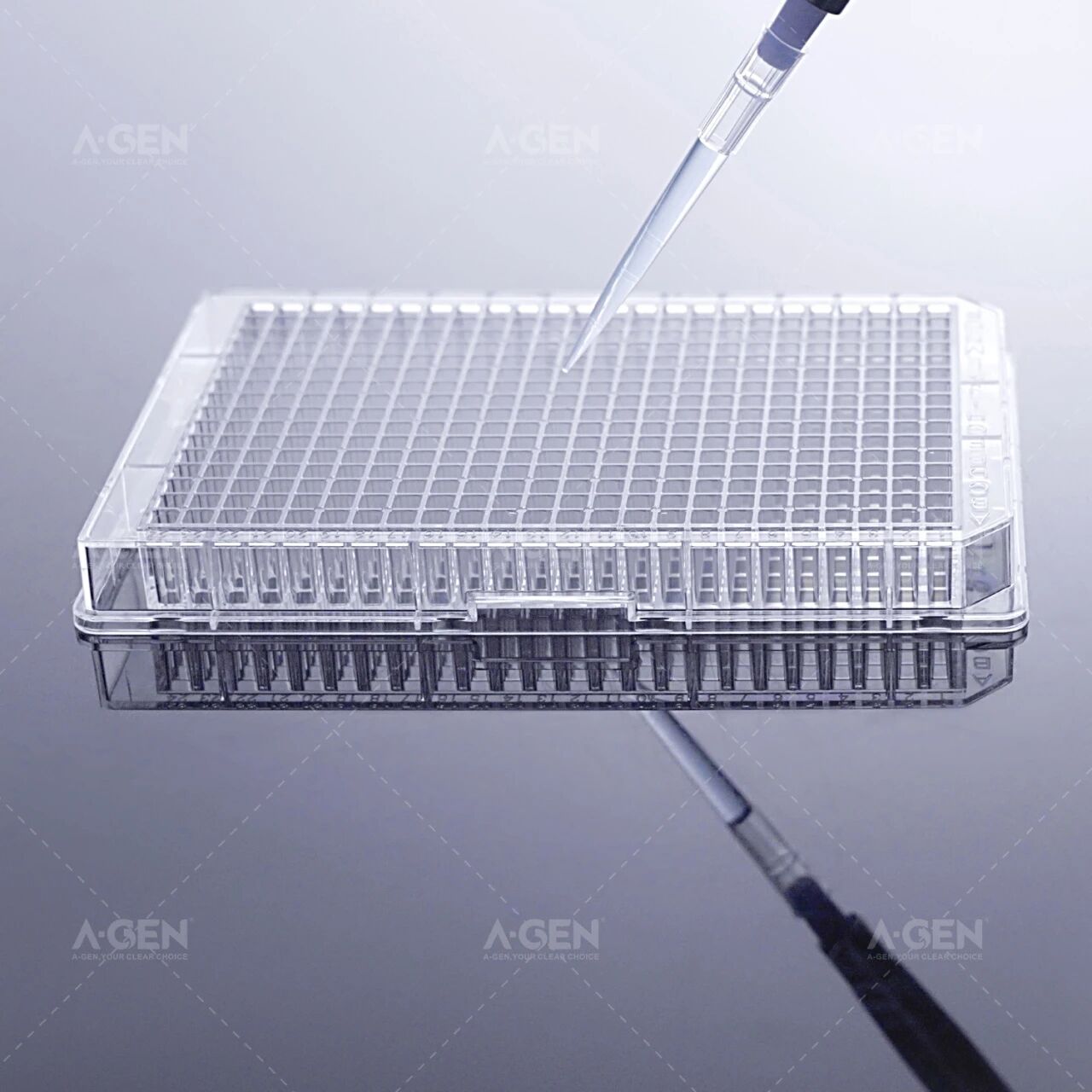
6 holes, 12 holes, 24 holes and 48 holes are mainly used for immunofluorescence, scratch, HE staining, cell transfection, etc. 96 holes are mainly used for MTT, CCK8, Elisa, BCA, etc. 384 holes are mainly used for high-throughput screening.
03 surface treatment of the choice
of cell culture plate treatment is mainly TC treatment and ultra low adsorption treatment. The choice of surface treatment depends mainly on whether the cultured cells are adherent cells or suspension cells.
For adherent cells, they need to be attached to a hydrophilic surface to grow, and the TC-treated cell culture plate is more suitable for the culture of adherent cells after surface modification.
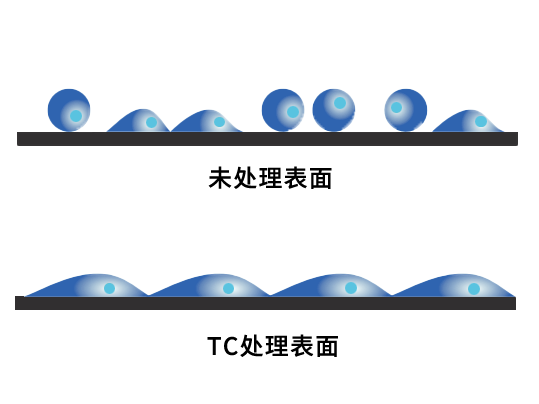
Ultra-low adsorption treatment is a special amphiphilic polymer coating on the surface of the culture plate, which can effectively inhibit cell attachment and meet the needs of suspension cell culture,
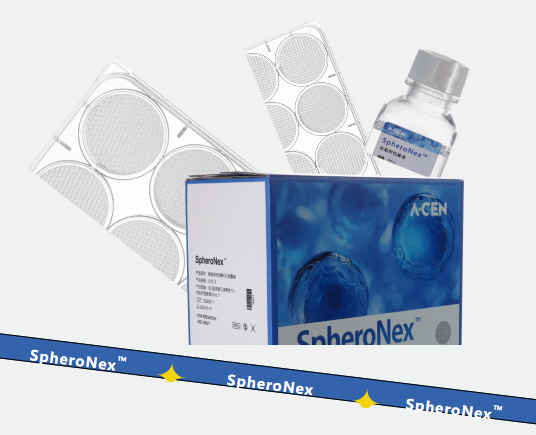
is of great significance for cell 3D spheroid culture and simulating the cell environment in vivo.
For suspension cells, a cell culture plate without surface treatment or an ultra-low adsorption treated cell culture plate can be selected.
04 Color Selection
The color of the cell culture plate is not randomly designed. Optimizing optical characteristics through different colors to adapt to different experimental requirements, such as regulating the transmission and absorption of light, reducing interference and releasing signals, is an important prerequisite for scientific experimental design and accurate results.
Transparent
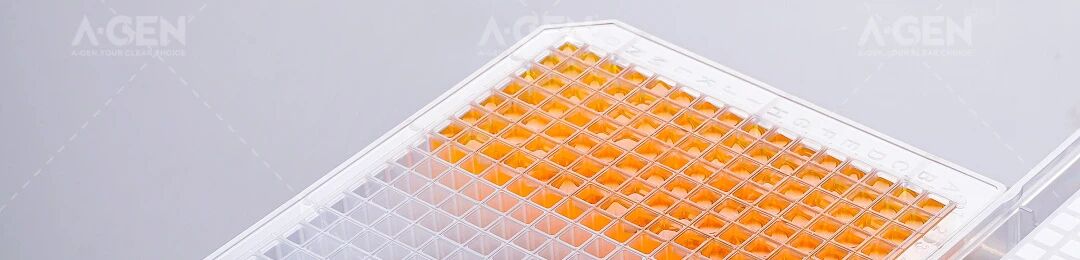
plate ① features: good light transmission, easy to observe the cell growth state and morphological changes.
Application scenario:is suitable for experiments that require frequent observation of cells, such as cell adhesion growth, morphological observation, cell counting, etc.
In addition, transparent plates are often used in experiments that require microscopic observation. The main application scenarios are ordinary microscope observation, colorimetric detection (such as MTT), basic cell culture and so on.
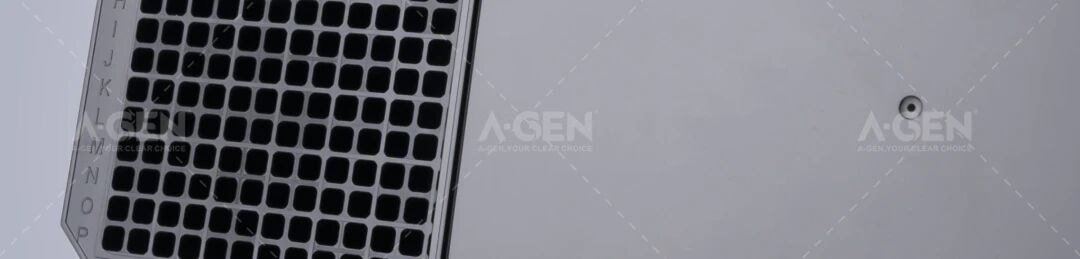
① characteristics ofblackboard
refers to the surface is black culture plate.
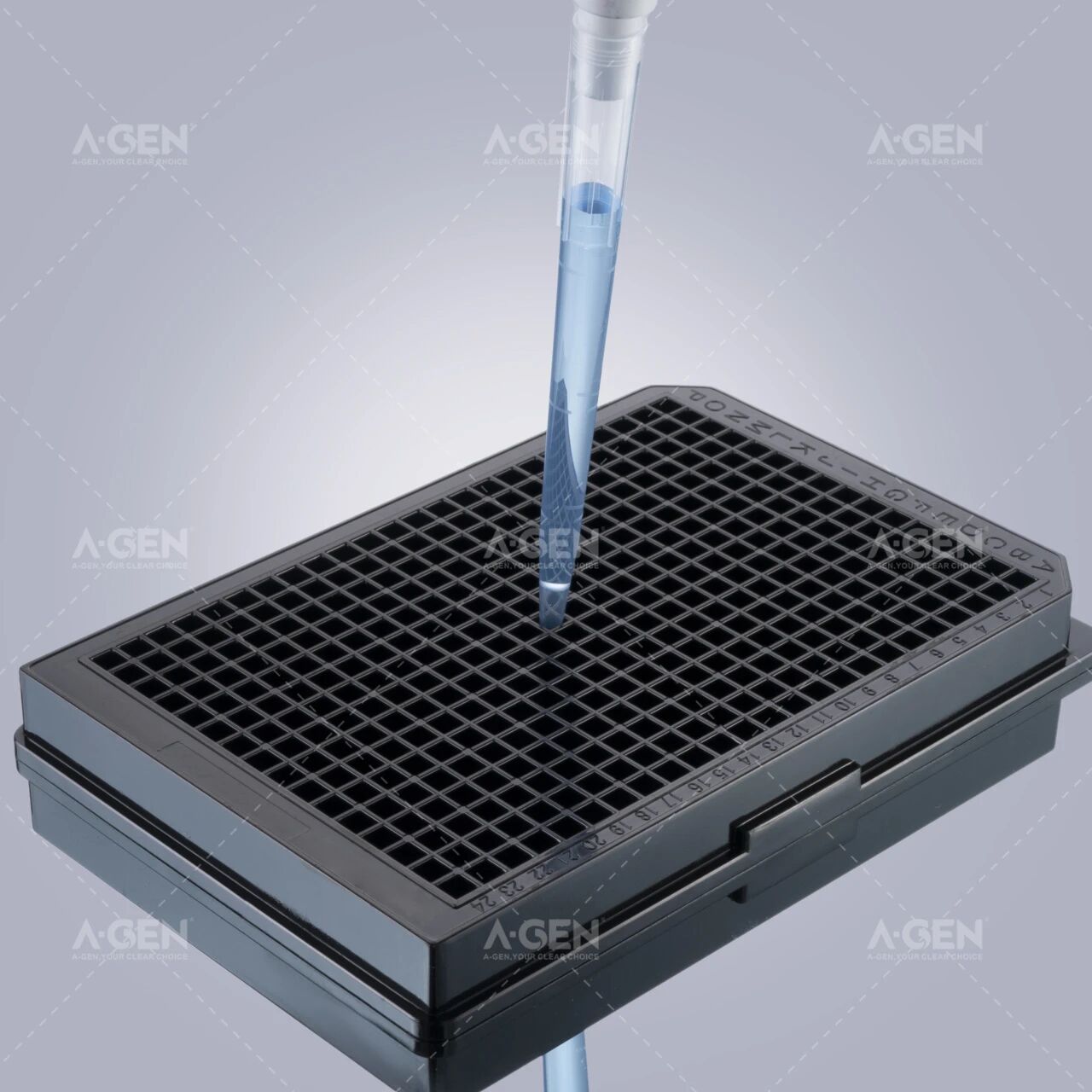
The black background of the applicable scene can reduce the interference of background light and improve the contrast of imaging. Therefore, the blackboard is a good choice for fluorescence microscopy or experiments that require high contrast imaging.
The main application scenarios ofinclude fluorescence detection (such as GFP, immunofluorescence), TR-FRET, AlphaScreen, etc.
① characteristics ofwhite board
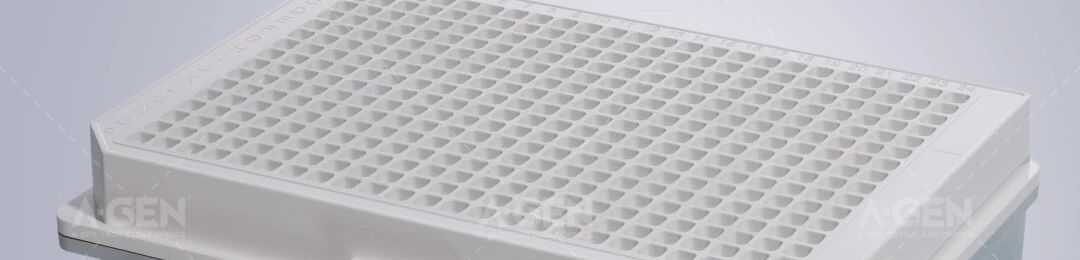
refers to the surface of the culture plate is white.
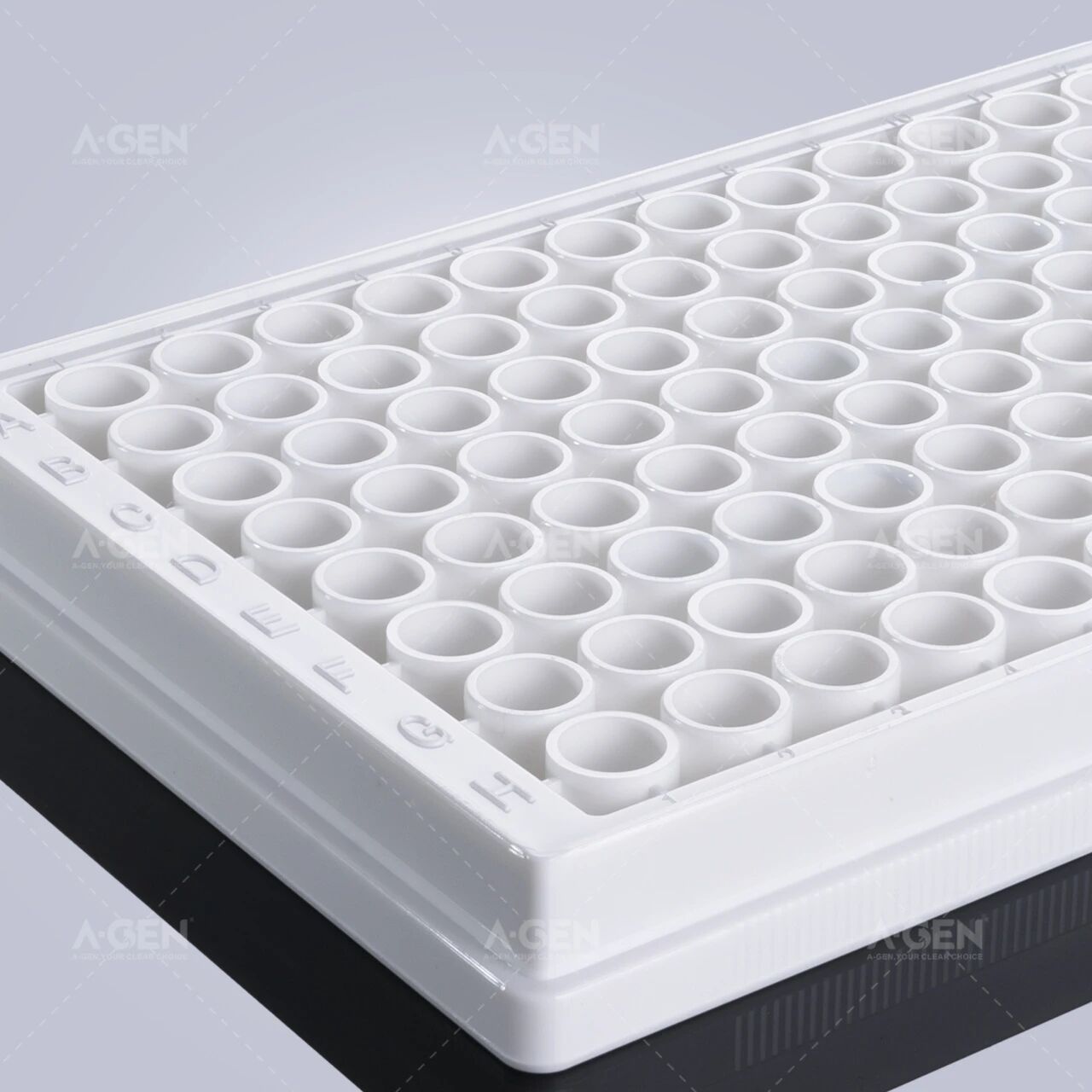
The applicable scene can enhance the chemiluminescence/bioluminescence signal with white background. The main application scenarios are chemiluminescence (such as Luciferase), bioluminescence, homogeneous luminescence detection (HTRF) and so on.
Blackboard through the bottom
① Features The bottom of the blackboard through the culture plate, the bottom is transparent, and the side is black. This design combines the light transmission of the transparent plate with the high contrast background of the blackboard.
, ② Applicable Scenarios In experiments that require microscopic observation from the bottom and at the same time hope to reduce the interference of side background light, the culture plate with the bottom of the blackboard is very suitable.
For example, when performing confocal microscopy of cells, a black-bottom transparent culture plate may provide better imaging results. For example, bottom fluorescence microscopy (such as live cell imaging), bottom fluorescence detection, etc.
Whiteboard
through the bottom ① Features The culture plate with whiteboard through the bottom is similar to the blackboard through the bottom. The bottom is made of transparent material and the side is white, which enhances the luminous signal.
② Applicable sceneThis kind of culture plate is widely used in some experiments that emit light but need observation. For example bottom luminescence detection + imaging (e. g. luminescence reporter gene imaging).
05 cell culture plate and enzyme label plate selection
plate is generally higher than the cell culture plate price. Cell plate main to do cell culture, can also be used to measure protein concentration;
theenzyme label plate includes a coating plate and a reaction plate. Generally, cell culture is not required. It is mainly used for protein detection after immunoenzyme-linked reaction, which requires higher requirements and specific enzyme labeling working solution.
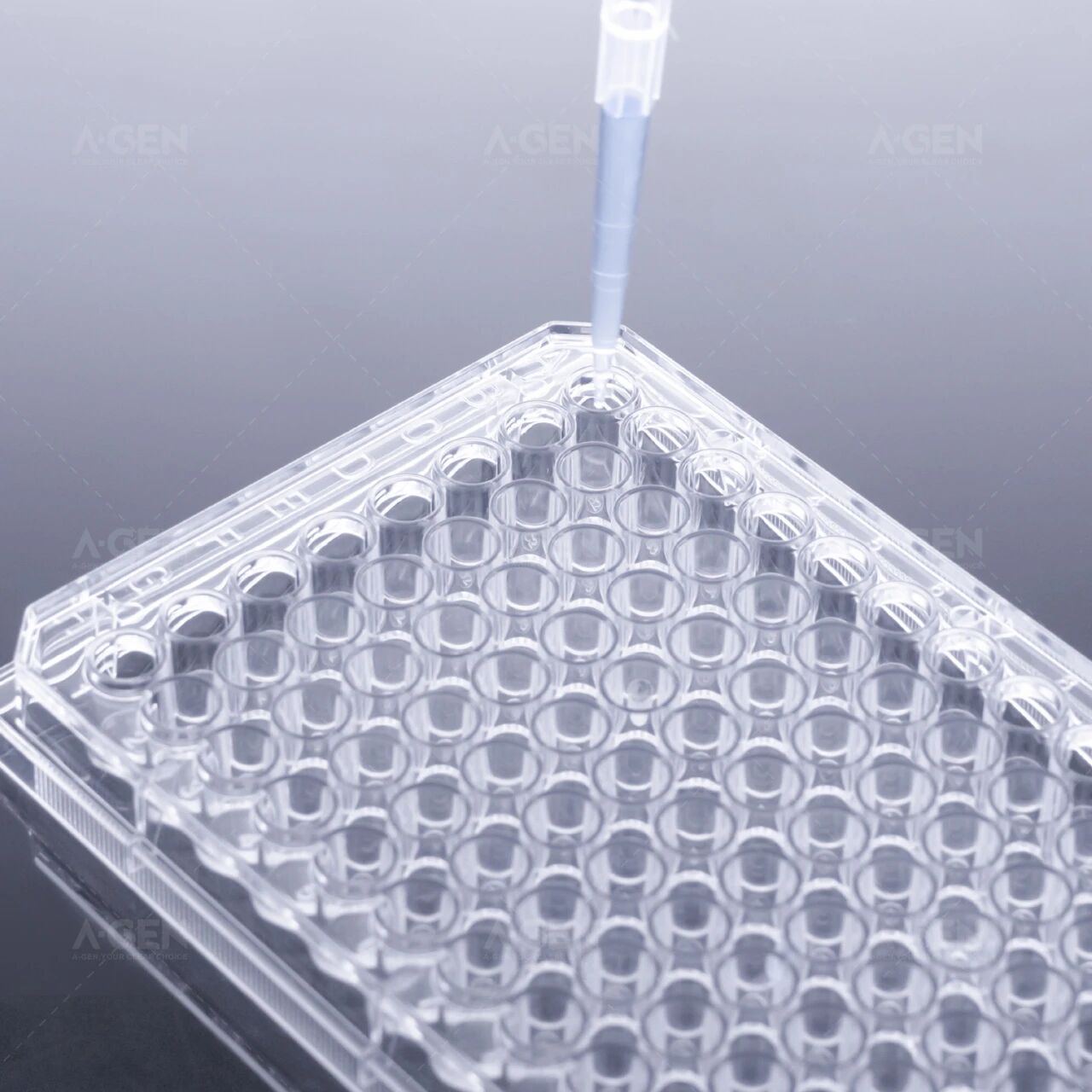
, choose Aizu, choose quality! Aizin biological cell culture plate with high quality transparent polystyrene (PS) as raw material, in line with USP VI medical grade, no pyrogen, no endotoxin,
is free of DNase/RNase and sterilized by EO, which can be directly used in cell, molecule and microorganism related detection experiments.
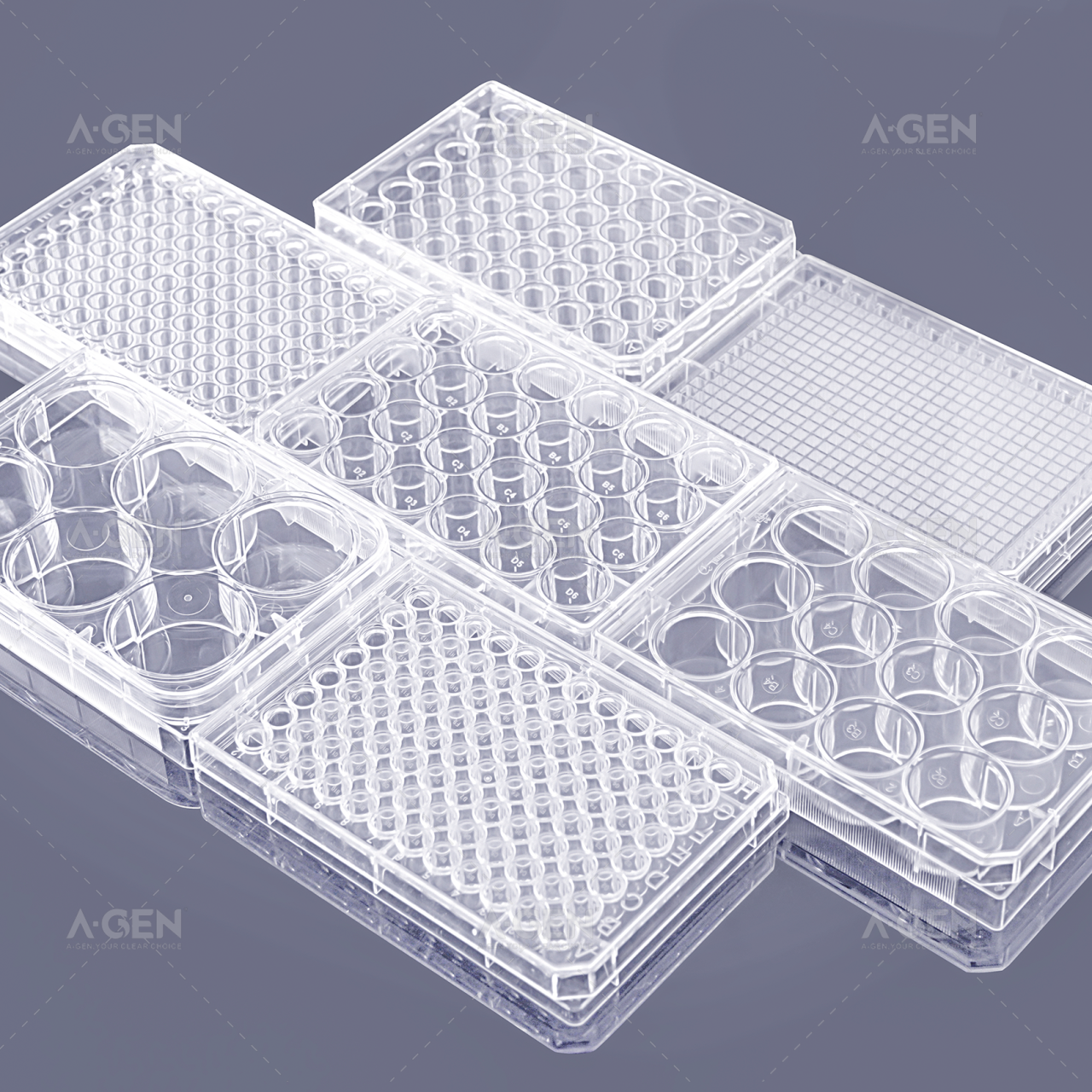
and complete specifications, optional single hole, 6 holes, 12 holes, 24 holes, 48 holes, 96 holes and 384 holes, flat bottom/U bottom/V bottom, untreated surface/TC treatment, transparent/whiteboard/blackboard/whiteboard bottom/blackboard bottom to meet your different experimental needs!

scan code free trial consumables ~