Insights | What Factors Affect Pipetting Accuracy in the Lab, and How Can They Be Addressed?

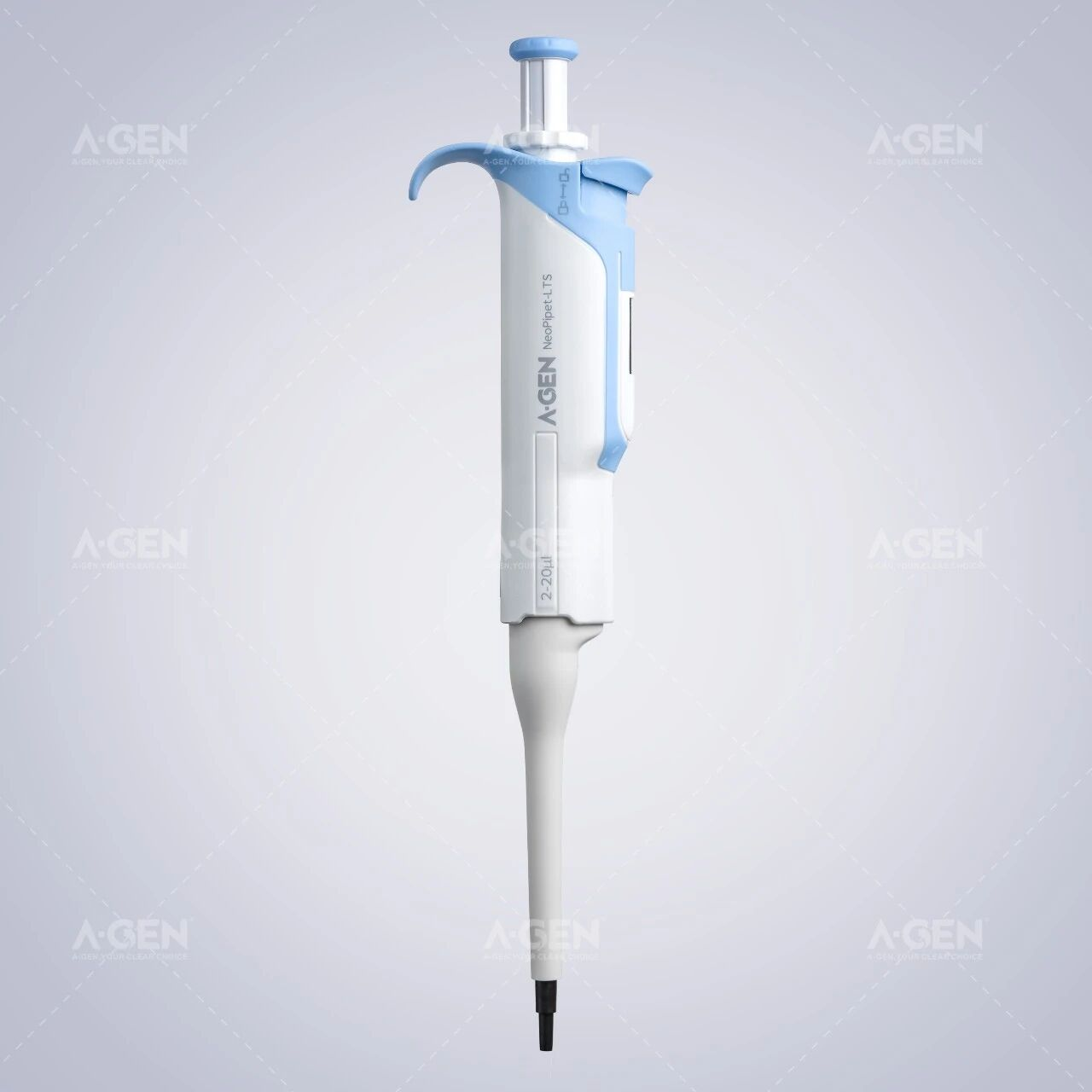
laboratory pipetting accuracy plays a key role in the success of the experiment, even small deviations can interfere with the results. From the calibration of the pipette, the specification of the operation, to the reasonable choice of the tip, every link can not be ignored.
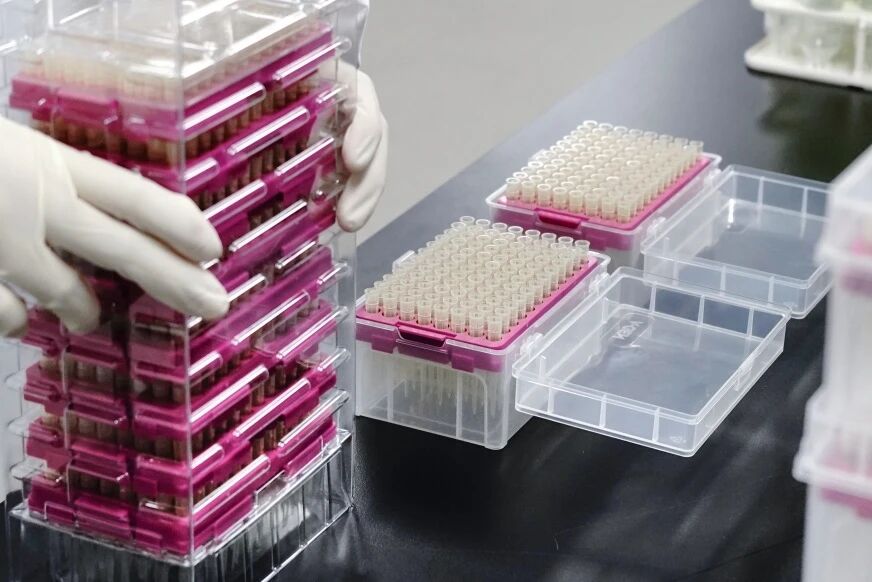
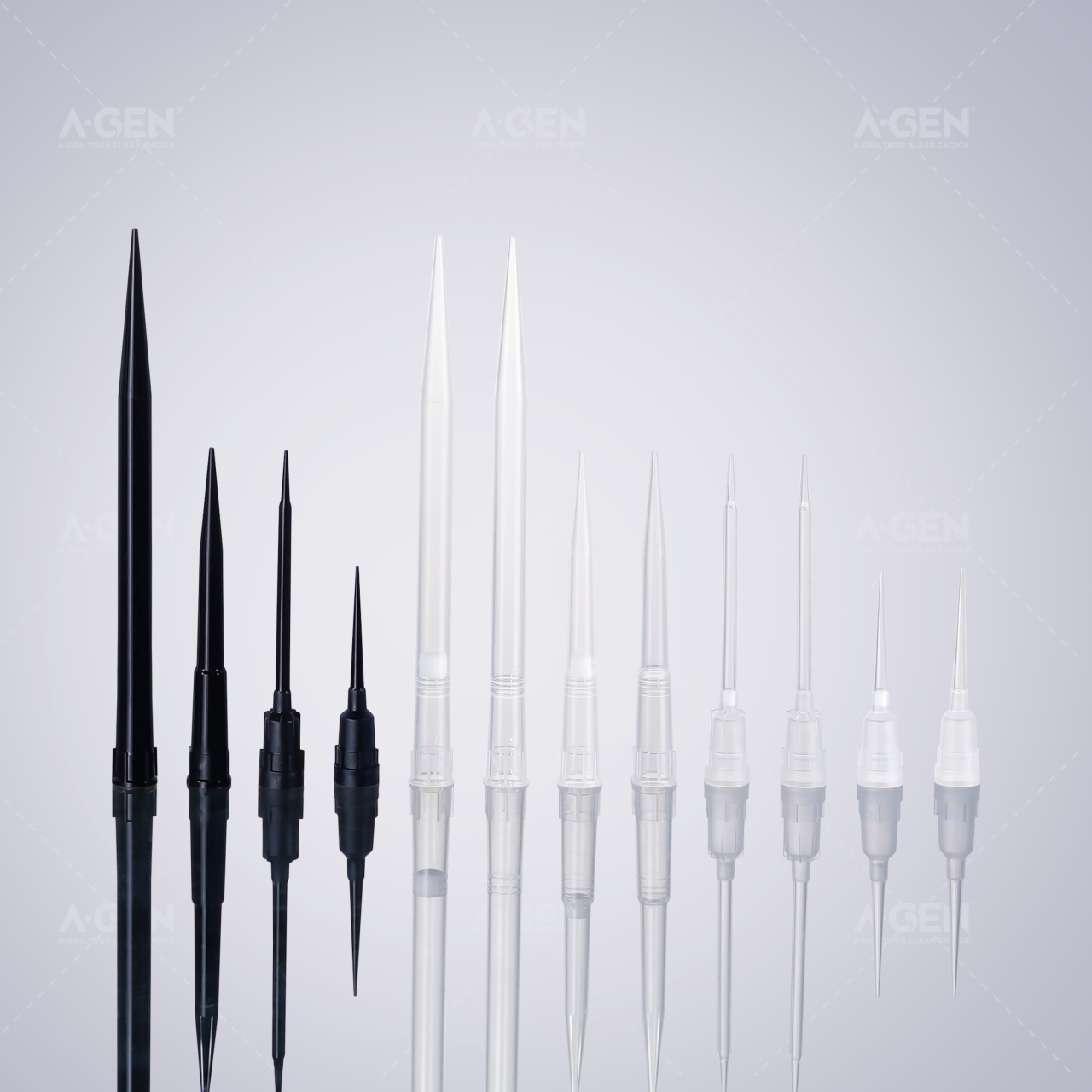
Aizin Bio has a wide variety of tip products that can be adapted to a variety of pipettes to provide effective assistance for improving pipetting accuracy.
01 Pipetting Accuracy Factors and Control
Precise pipetting requires systematic control of error sources, including predictable systematic errors and operation-related random errors.
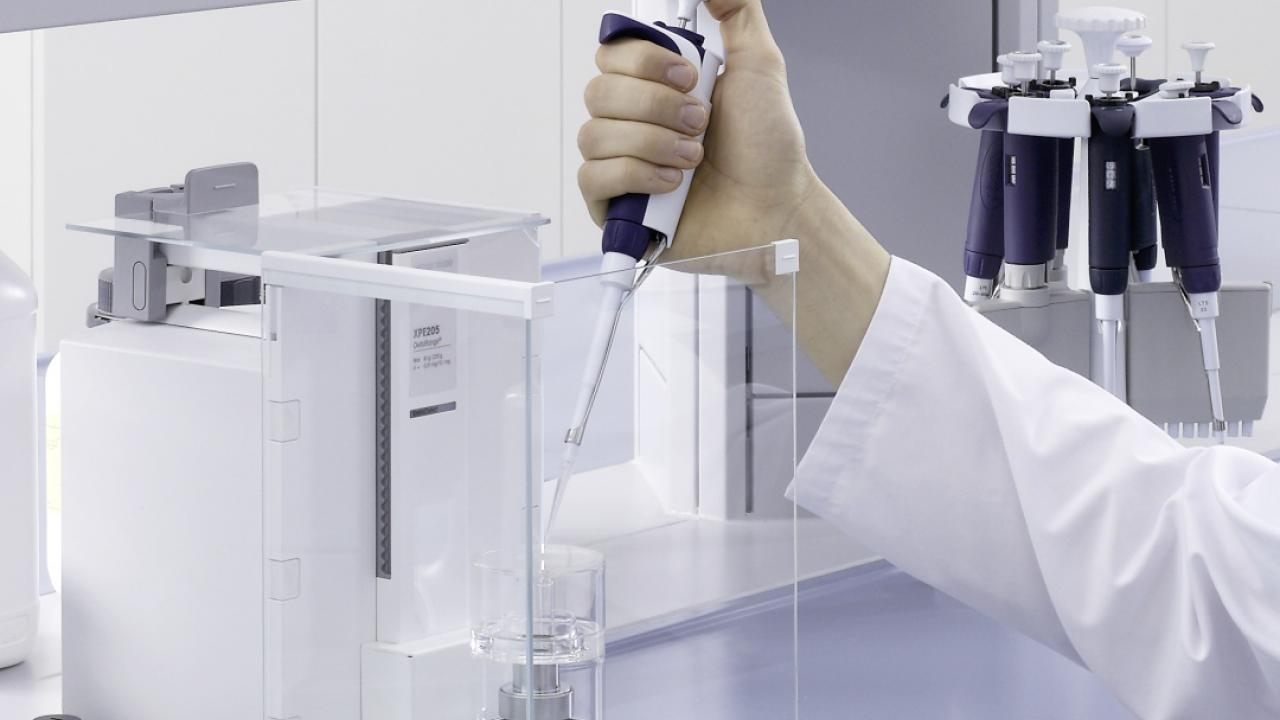
① System error control
isregularly calibrated
. The routine laboratory is calibrated every 6 months, and the high-frequency use scenario (such as QC of pharmaceutical enterprises) needs to be shortened to every 3 months.
Head matching
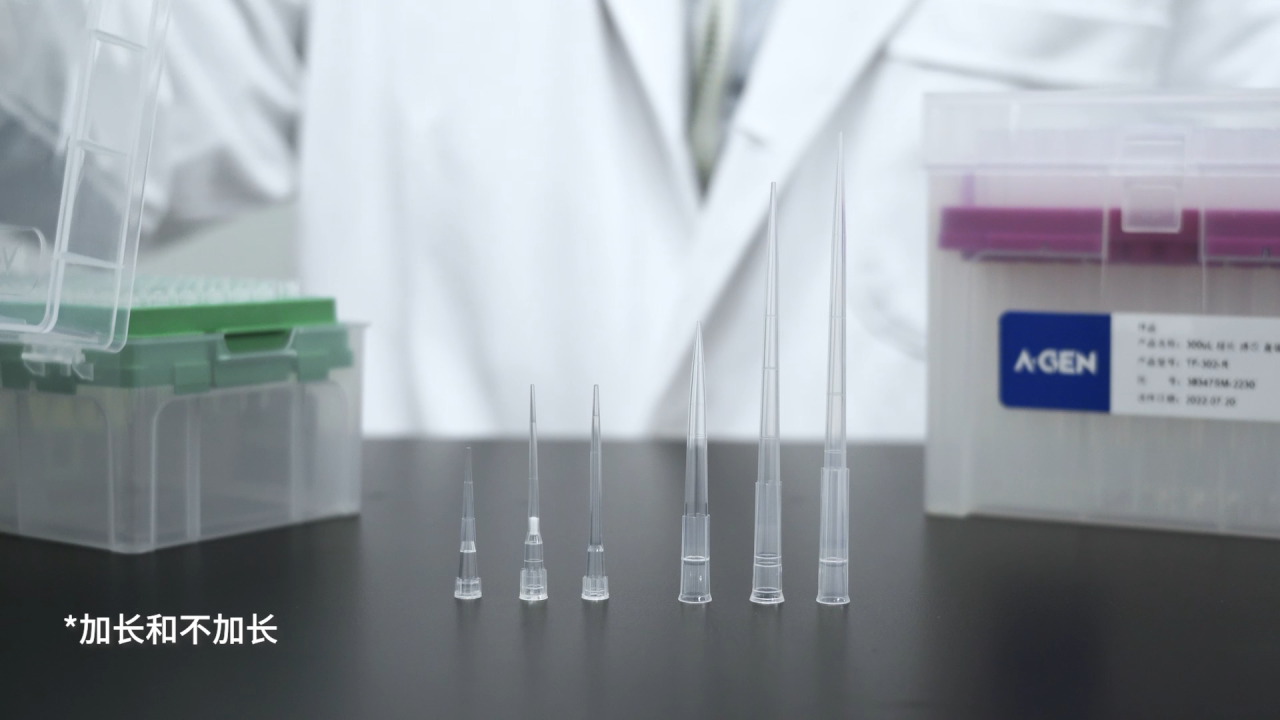
The use of non-original or worn tips may cause a decrease in tightness and cause volume deviations. It is suggested to choose a suction head with good adaptability. Aizin universal suction head can be adapted to most pipettes on the market, with various types, including filter element and non-filter element, lengthening and non-lengthening, ordinary and low adsorption, etc. Suitable suction head can effectively reduce experimental error and improve data reliability.
Temperature equilibration
The liquid and pipette were placed at the same ambient temperature prior to the experiment.
Altitude correction
At high altitudes, calibration is required to compensate for the effects of air pressure changes on air displacement pipettes.
② Random error controls
theimmersion depth
of the suction head to be 1-3mm, and the depth difference exceeding 4mm can lead to 3% volume fluctuation.
Theliquid absorption speed
releases the piston slowly to avoid bubbles, and pauses for 1 second during liquid separation to ensure complete emptying.
Suction head selection
of low residual suction head can greatly reduce sample waste, filter suction head can effectively block aerosol. Aizin low adsorption tip with hydrophobic coating design, can reduce the liquid residue, so as to improve the recovery of precious samples.
Wide-boresurface treatment
tips are suitable for fragile cells or macromolecular samples.
02 suction head of the correct choice
of 
① Standard tip
The standard tip is a multi-purpose tip suitable for many laboratory applications with various performance requirements, from high precision to large volume liquid removal. The universal tip in Aizin tip is commonly used for routine liquid transfer and can meet a variety of routine experimental needs. Sterile standard tips can be used for demanding applications such as cell culture.
② Filter element suction head
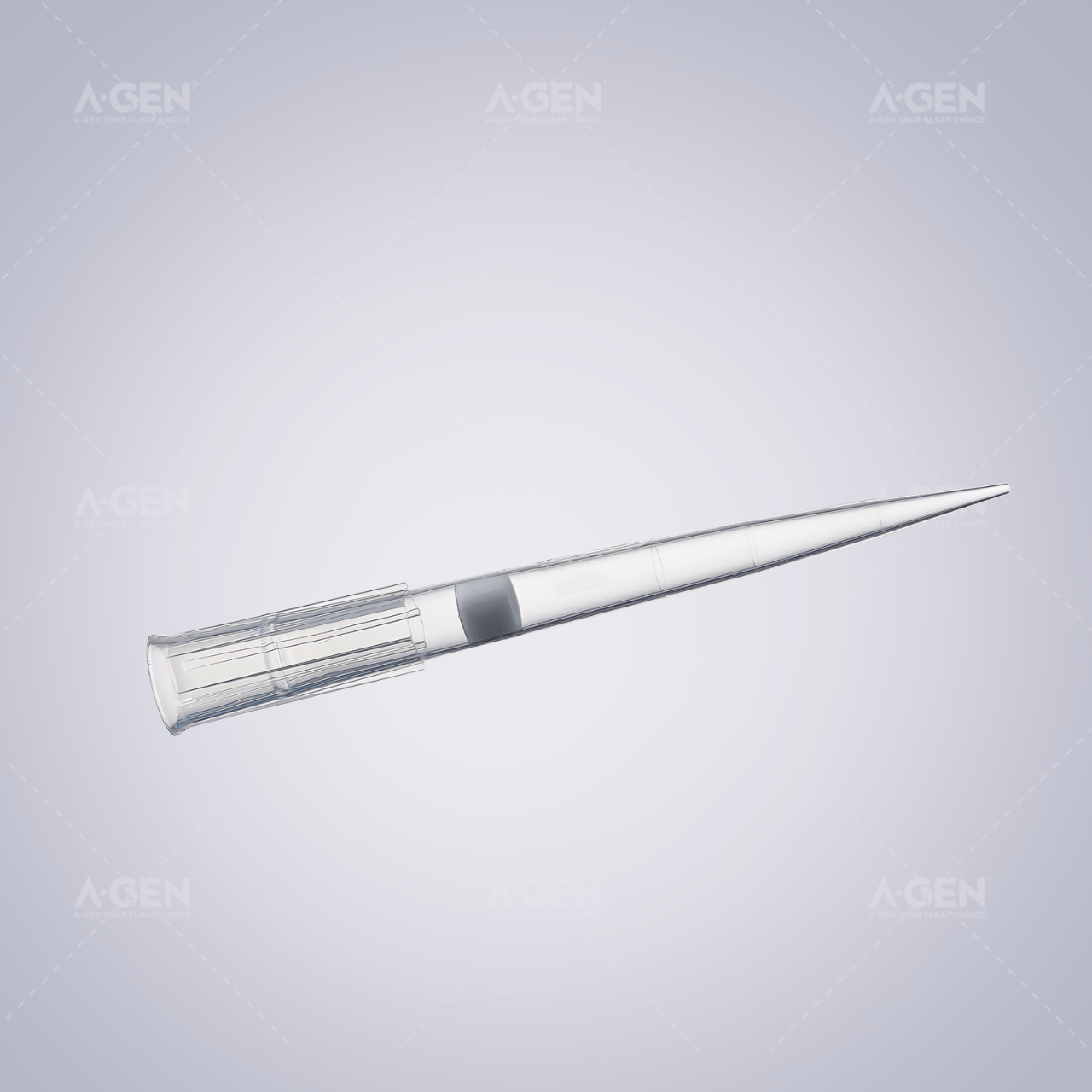
The built-in filter element blocks aerosols, prevents liquid from accidentally entering the pipette cavity, and prevents cross-contamination. It is necessary for PCR and sequencing experiments. Aizin filter tip has this function, and can effectively protect the pipette and extend its service life.
③ Low suction head
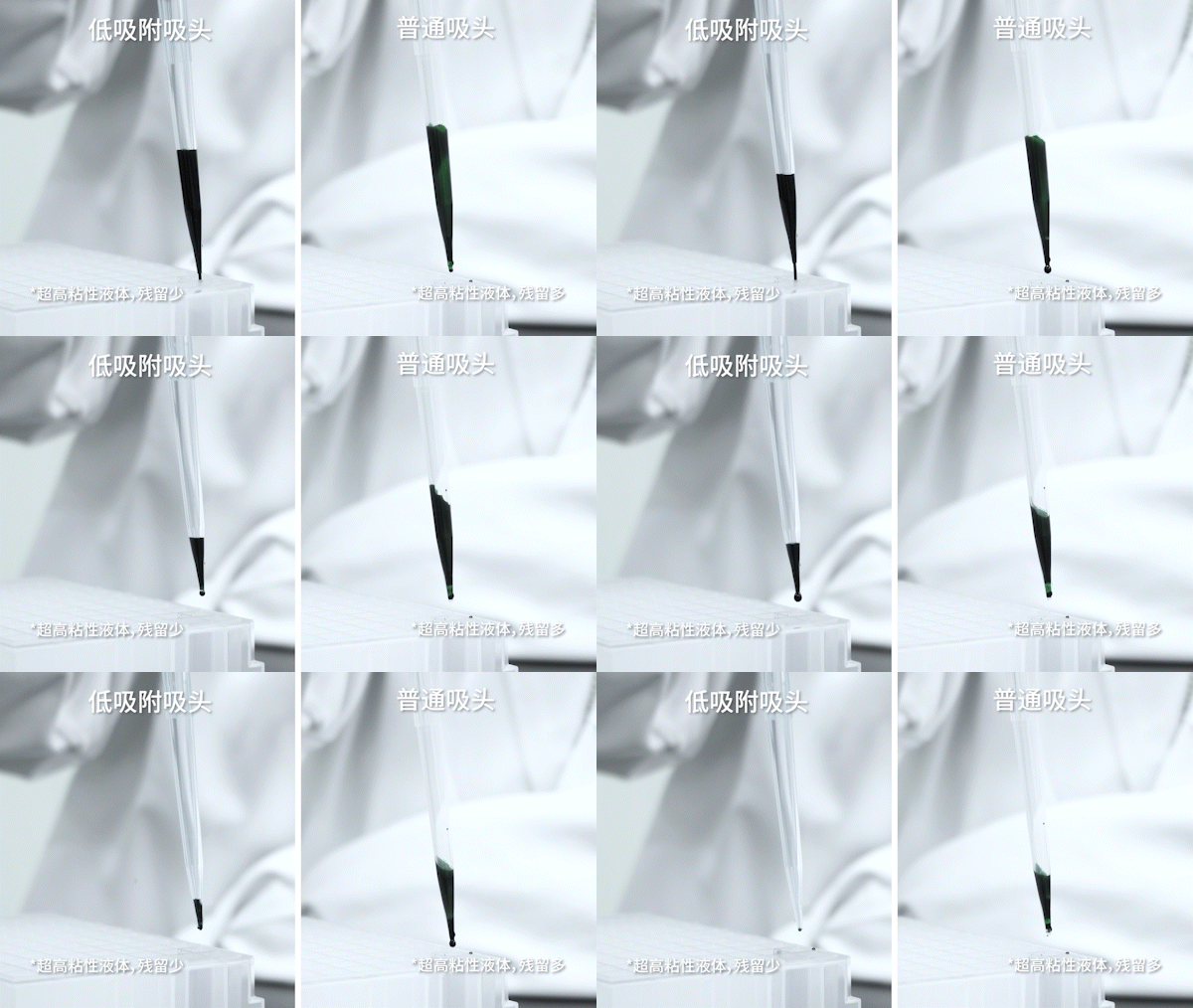
hydrophobic surfaces reduce liquid adhesion and are suitable for precious samples (such as fluorescently labeled probes), which can reduce reagent waste. Aizin low adsorption tips are such products, can significantly reduce the sample loss.
④ Large mouth suction head
the enlarged pore size of the tip prevents shear from damaging fragile cells (e. g., macrophages) or macromolecules (e. g., genomic DNA).
⑤ Lengthen suction head
the length of the tip is increased, which is suitable for pipetting in deep and narrow containers to avoid cross-contamination caused by the pipette touching the container wall. Aizin long suction head is suitable for high and narrow containers. For containers such as deep orifice plate, centrifuge tube and slender bottle, it can easily reach the bottom of the container to absorb liquid, and at the same time avoid the operation difficulty caused by tilting the container.
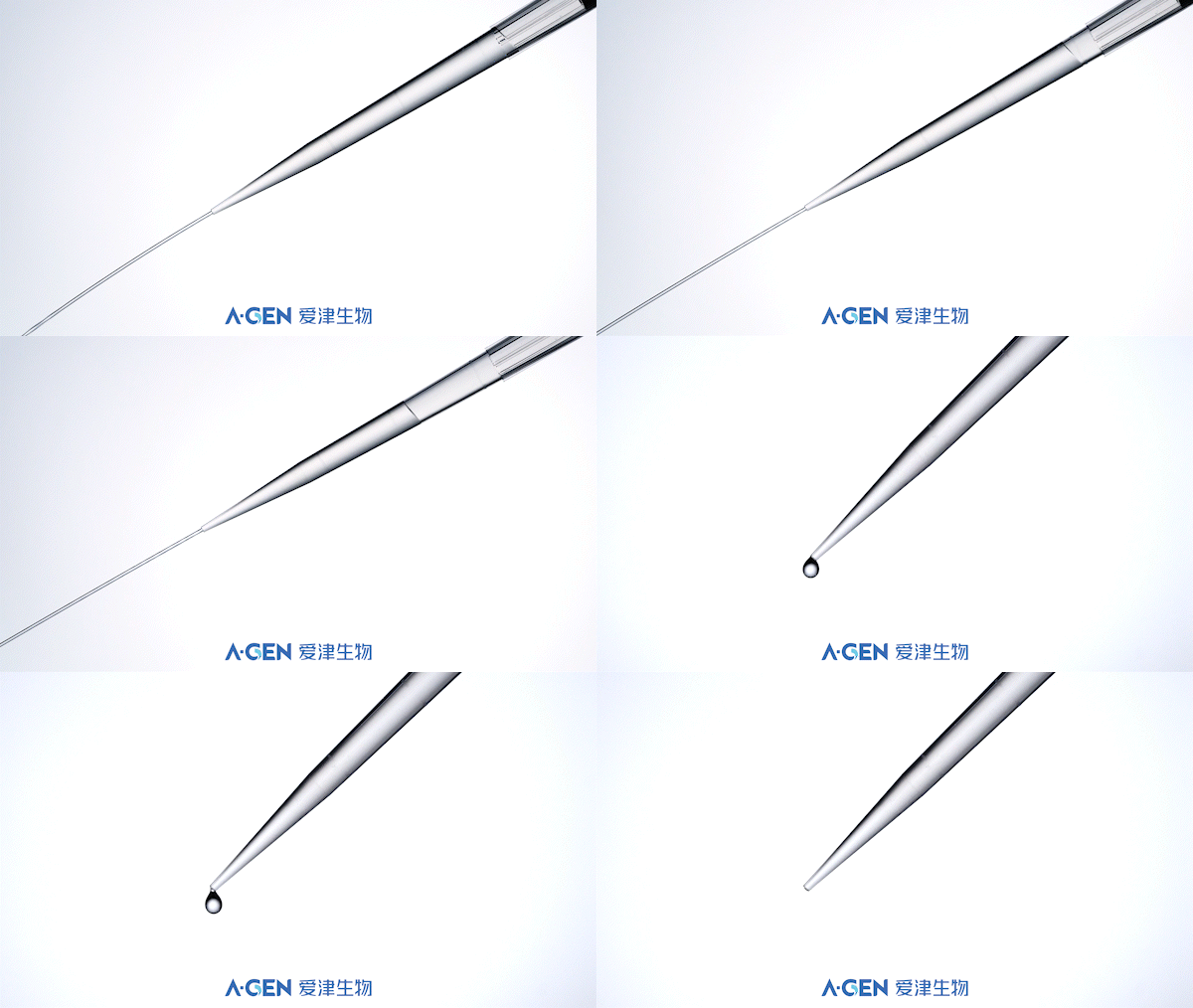
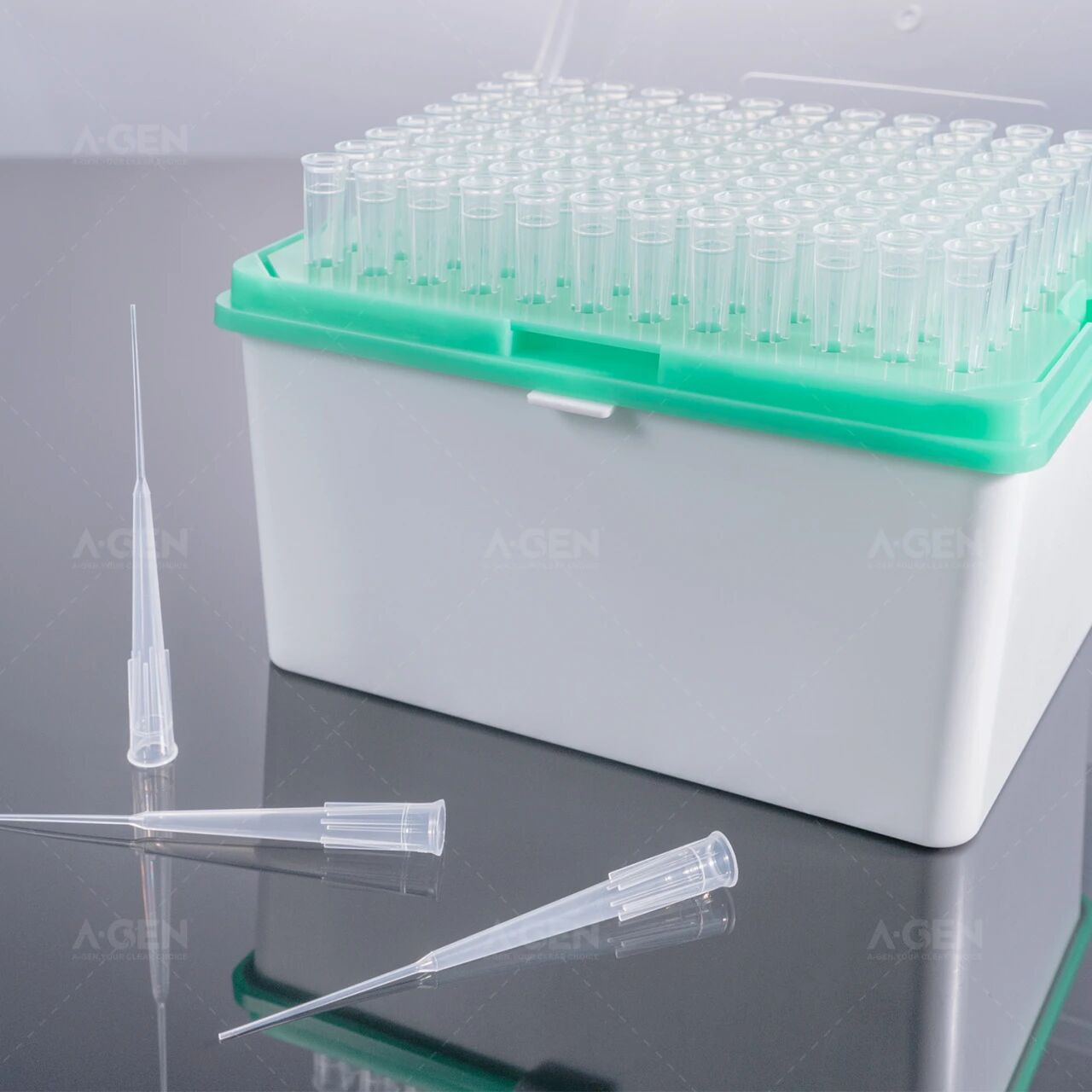
In addition, Aizu Bio is also specifically used gel spotting the tip of the tip is longer and thinner, which can accurately control the sample loading amount of trace samples. In DNA/RNA electrophoresis, protein electrophoresis and other experiments, the use of gel spotting tips not only simplifies the gel loading process, but also improves the accuracy of the sample, reduces sample waste, and makes the experimental operation more efficient.
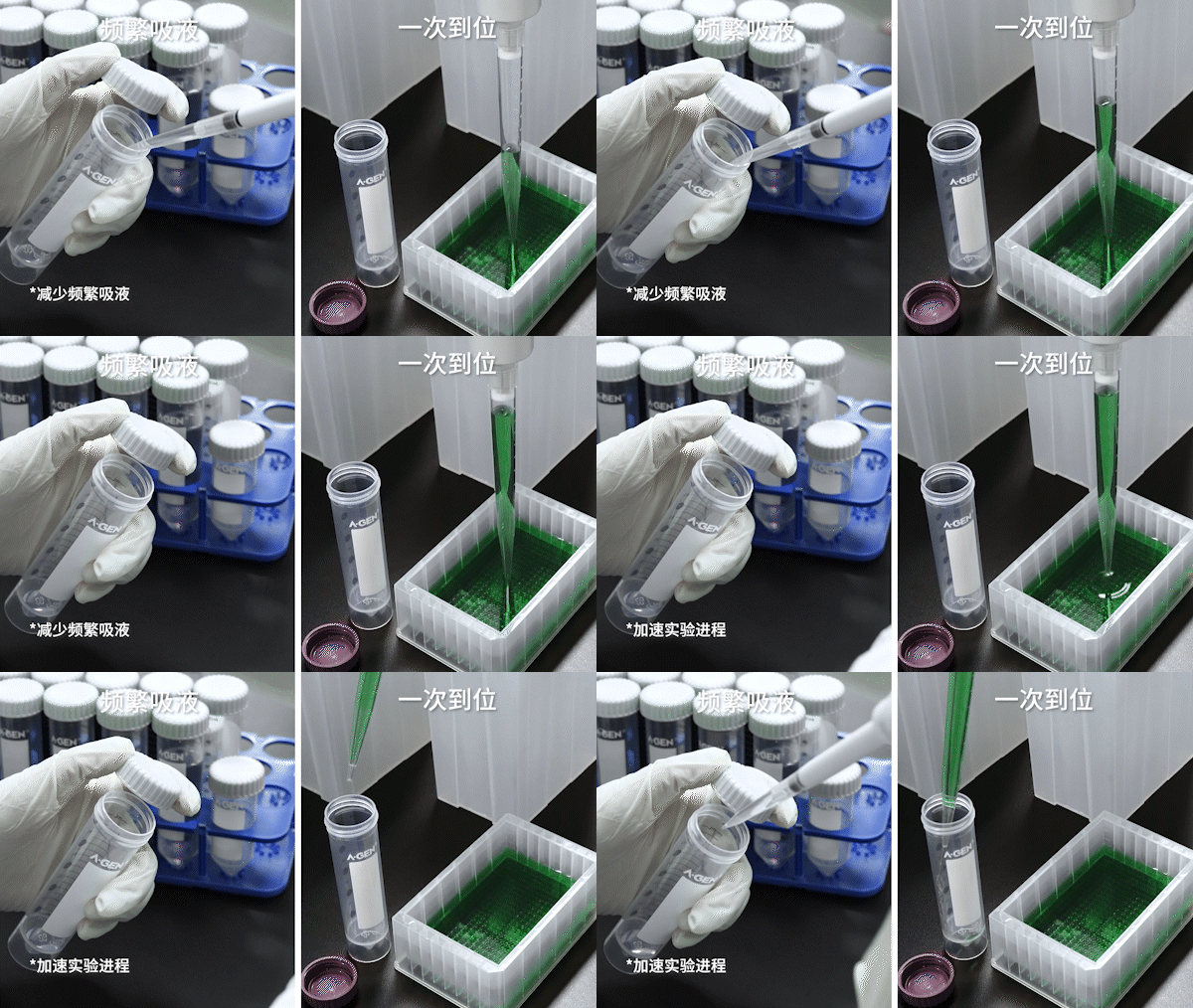
In large volume liquid transfer scenarios such as medium replacement and batch reagent sub-packaging, 5ml and 10ml of Aizin large capacity suction head it can reduce the frequent pipetting operation, greatly shorten the operation time, improve the accuracy and consistency of the experimental results, and is very suitable for high-throughput experiments.
03 Standardized operation process and skills
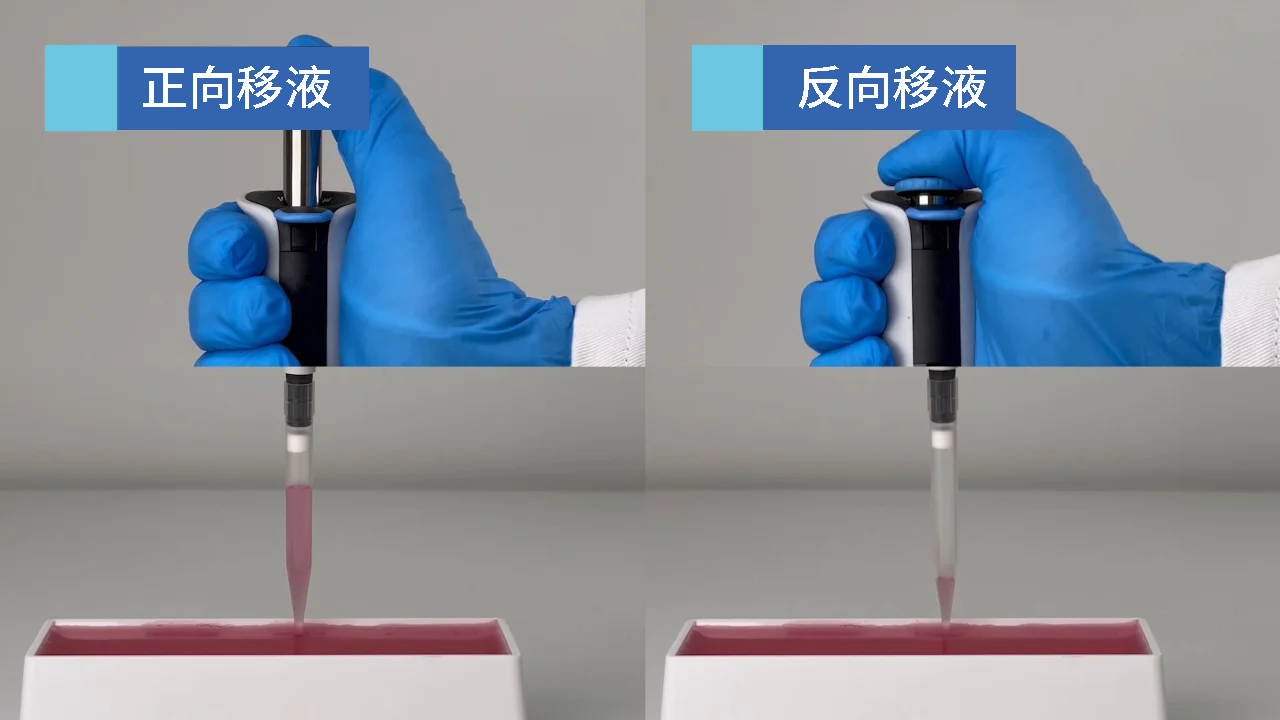
① Basic pipetting technique
forward Pipetting (Aqueous)
press down the first stop point and immerse vertically into the liquid level by 1- 3mm;
slowly release the piston to suck the liquid. Touch the wall of the container to remove the unwanted liquid;
press the first stop point for liquid separation, pause for 1 second and then press the second stop point for emptying.
Reverse pipetting (viscous/easily foaming liquid)
directly press the second stop point to suck liquid to avoid bubbles;
press to the first stop point during liquid separation, and retain residual liquid to reduce splashing.
Repeated pipetting (batch)
after one suction, the efficiency is increased by more than 50% by repeatedly pressing the first stop point distribution.

② Ergonomic optimization
Sittingposture specification
: the seat height is adjusted to the forearm parallel to the table, elbow bending 90 °.
Holding: Keep the pipette upright to avoid tilting and causing liquid to flow backwards to contaminate the piston.
Tool selection
: electric pipette: reduce the frequency of manual pressing, suitable for processing more than 5 microplates per day.
Lightweight design: Choose models with a weight less than 200g to reduce shoulder burden.
04 Maintenance and Calibration Specifications
①Daily Maintenance
andCleaning
Wipe the shell with 70% ethanol every day, and disassemble the cone of the suction head every week to remove the residue.
Lubricate
the piston and sealing ring with special silicone grease every 3 months.
② Calibration verification
ofweighing method
10 μL of pure water weighing, repeated 10 times, the average value and the theoretical value (10mg) deviation should be <± 0.5%.
Forcross validation
, the same liquid was removed with two pipettes, and the difference in results was <3%.
③ Disinfection treatment
Wipe the surface with 70%chemical disinfection
ethanol, and rinse and dry with distilled water after strong acid/alkali contamination.
Sterilized
high-temperature sterilizable models (such as some manual pipettes) need to be treated at 121°C for 20 minutes, and electronic models use chemical fumigation.
05 6 steps
to improve accuracy①Rinse the pipette tip
. Before transferring the liquid, suck out and completely drain a certain amount of liquid at least three times. Failure to pre-rinse the tip increases evaporation in the tip space, which results in a significant reduction in the amount transferred. Pre-wetting increases the humidity within the tip, thereby reducing evaporation.
② in the temperature equilibrium work
before pipetting, let the liquid and equipment equilibrium to ambient temperature. The amount of liquid displaced by an air displacement pipette varies with the relative humidity and vapor pressure of the liquid, both of which are related to temperature. Working at a constant temperature minimizes changes in pipetting volume.
③ Check the pipette tip for droplets
Before transferring the liquid, carefully remove the droplets from the outside of the tip by attaching the side of the container, making sure to stay away from the tip opening to avoid sucking the liquid out of the tip. After transfer, any residual liquid in the tip is drained by contacting the tip to the side of the container before releasing the piston. Surface tension helps to draw residual liquid out of the tip.
④ According to the liquid selection forward or reverse pipetting
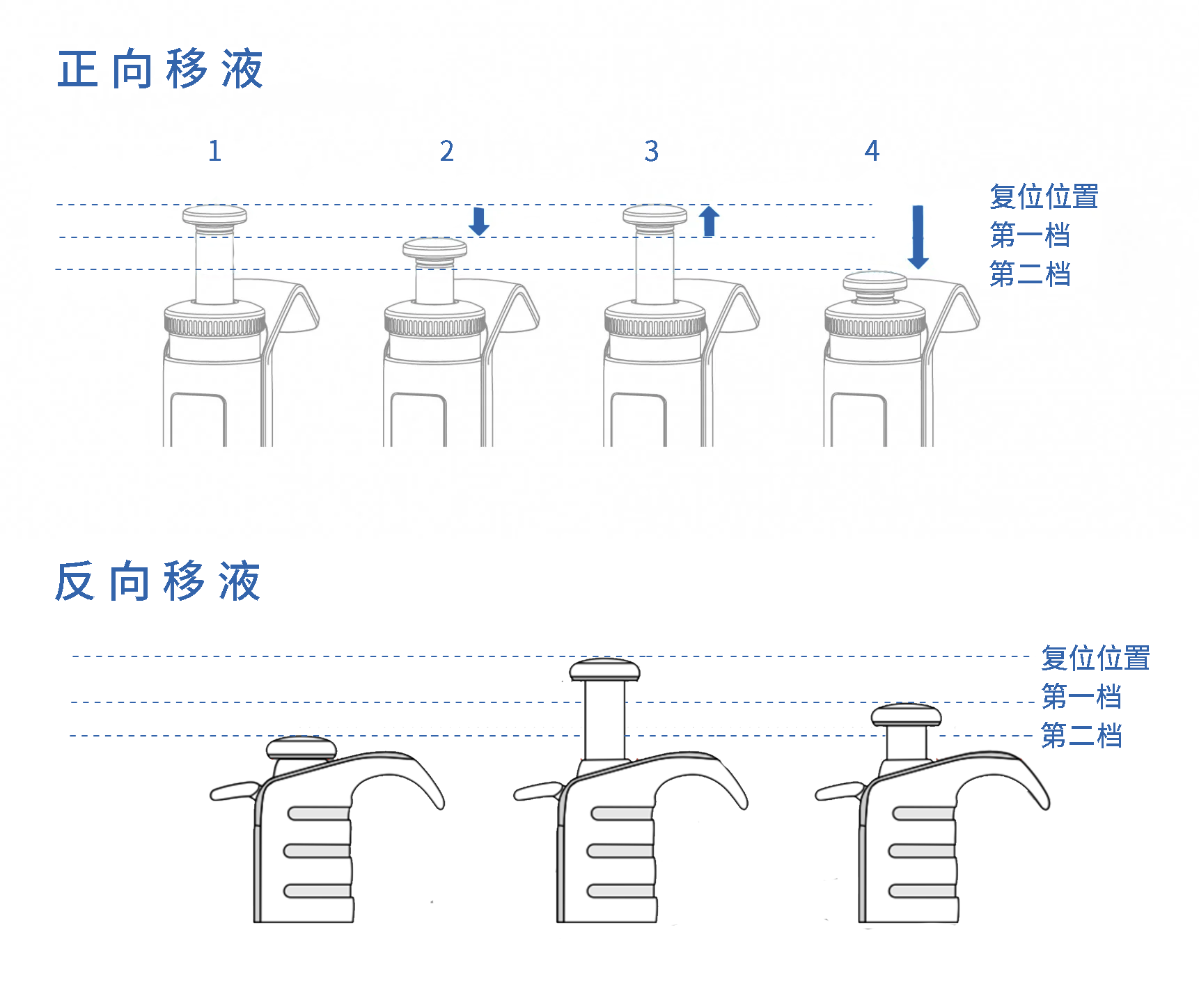
pressing the piston to the first stop, immerse the tip in the liquid and release the piston for suction. Remove the pipette from the liquid and press the plunger to the second stop to dispense the liquid. Standard (or forward) mode pipettes produce better accuracy and precision in all viscous or volatile liquids than reverse mode. The reverse mode usually results in excess metastasis. Therefore, it is recommended to evaluate the effect of possible excess transfer in the experiment and adjust it when necessary. Choosing the right tip, such as Aizin filter tip, low adsorption tip, etc., can better match different pipetting modes and improve pipetting accuracy.
⑤ Use correct immersion depth
Before suction, fully immerse the tip below the liquid level. The same depth was used for the same volume of aspiration. Insufficient immersion, especially when using large-volume tips, may cause air inhalation. Excessive immersion may cause liquid to adhere to the outside of the tip. Contact of the tip with the bottom of the container may restrict suction.
⑥ Use the correct pipette tip
. It is recommended to use a special pipetting head that matches the pipette. If the model does not match, it may cause volume deviation or poor repeatability. High-quality pipetting heads have three core advantages: precision airtight design to prevent leakage, high-quality materials without defects, strict quality control to ensure stability, can help the experiment accurate and efficient.
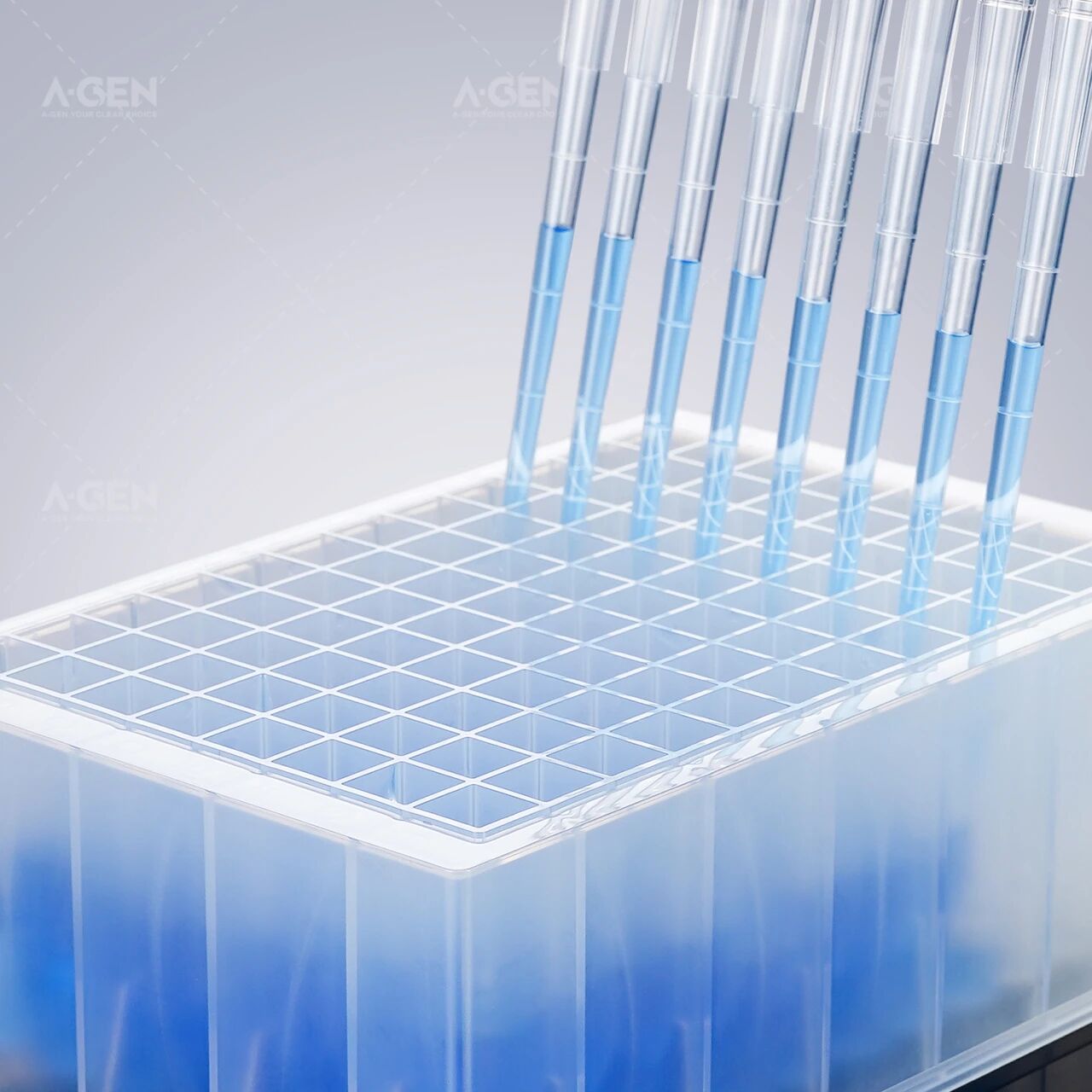
pipetting technology is a microscopic manifestation of scientific rigor. Through scientific selection, standardized operation, ergonomic optimization and strict maintenance and calibration, the reliability of experimental data can be significantly improved, while reducing occupational health risks. Aizin Bio is committed to providing a variety of pipetting solutions for laboratories. Our tip products can meet different experimental needs, adapt well with a variety of pipettes, and effectively improve pipetting accuracy.

scan code free trial consumables ~